First-of-its-kind glasses can slow nearsightedness in kids


Image: EssilorLuxottica
The eternal cycle of “new school year, new prescription lenses” may finally have an end in sight, thanks to a breakthrough new product.
Eyewear giant Essilor’s new FDA-approved glasses, which are the first of its kind to slow the progression of nearsightedness in kids, have begun rolling out across the US under the brand Essilor Stellest.
Why it’s a big deal
Nearsightedness (aka myopia), is when people can clearly see objects up close, but things are fuzzier further away. Studies have shown the condition is on the rise globally, especially among children, with an estimated 30%-40% of all students in the US expected to have myopia by the time they graduate high school, per Johns Hopkins professor Dr. Michael Repka.
- For decades, there were few options to delay progression of the underlying condition, with most children simply given a prescription for glasses and told to live with nearsightedness.
But a new tool has emerged. Essilor Stellest’s new lenses, worn by kids aged 6-12, are designed to slow the eye’s elongation, which is the structural change that worsens a nearsighted person’s vision over time. Children wearing the lenses experienced up to a 70% slowdown in myopia progression over two years, according to company-funded studies.
Coming to a store near you: Essilor’s lenses are already available at select optometrists and retailers, including Target. Under the FDA’s recent approval decision, the lenses can now be prescribed to any child with myopia who’s within the recommended age range.
Share this!
Recent Science & Emerging Tech stories

Science & Emerging Tech
| December 2, 2025Researchers find birthplace of lost planet that created the Moon
Some of the world’s top scientists recently discovered that the Moon was an inside job.
Science & Emerging Tech
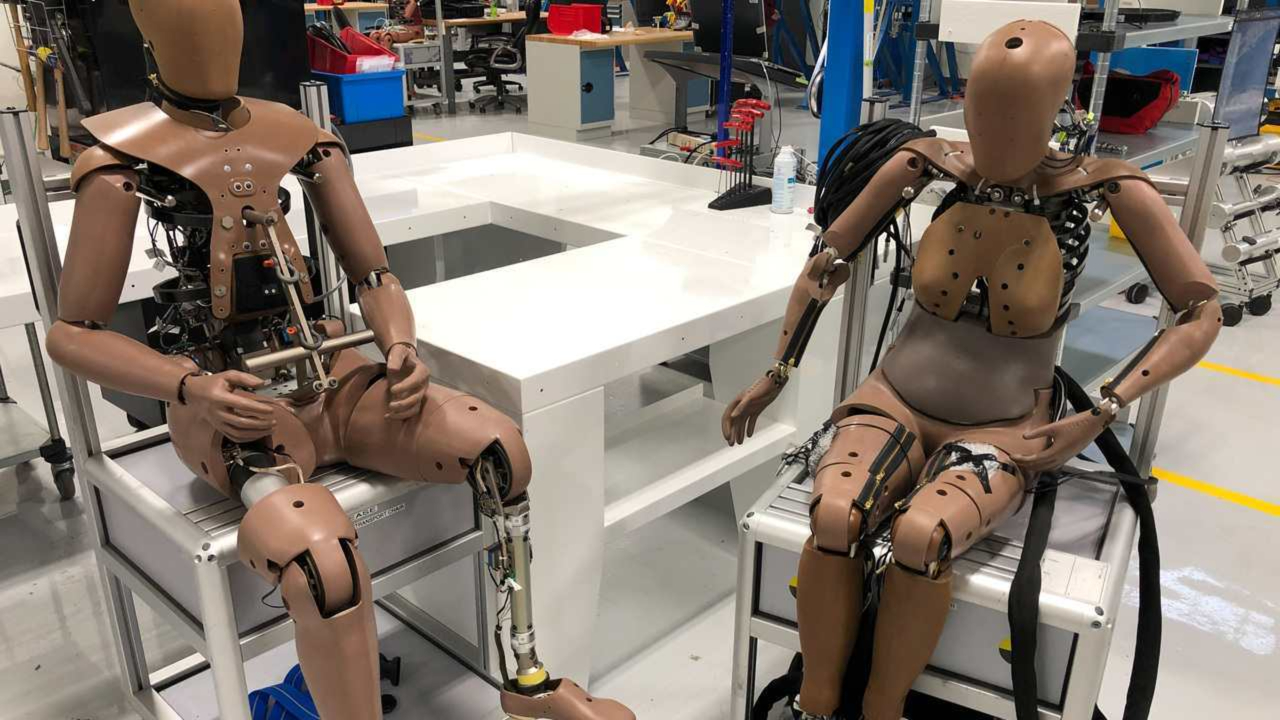
| November 25, 2025Car safety is finally receiving a female perspective
America’s crash-test dummies are getting a female-focused makeover, and it’s more than any new outfit or hairstyle could accomplish.
Science & Emerging Tech
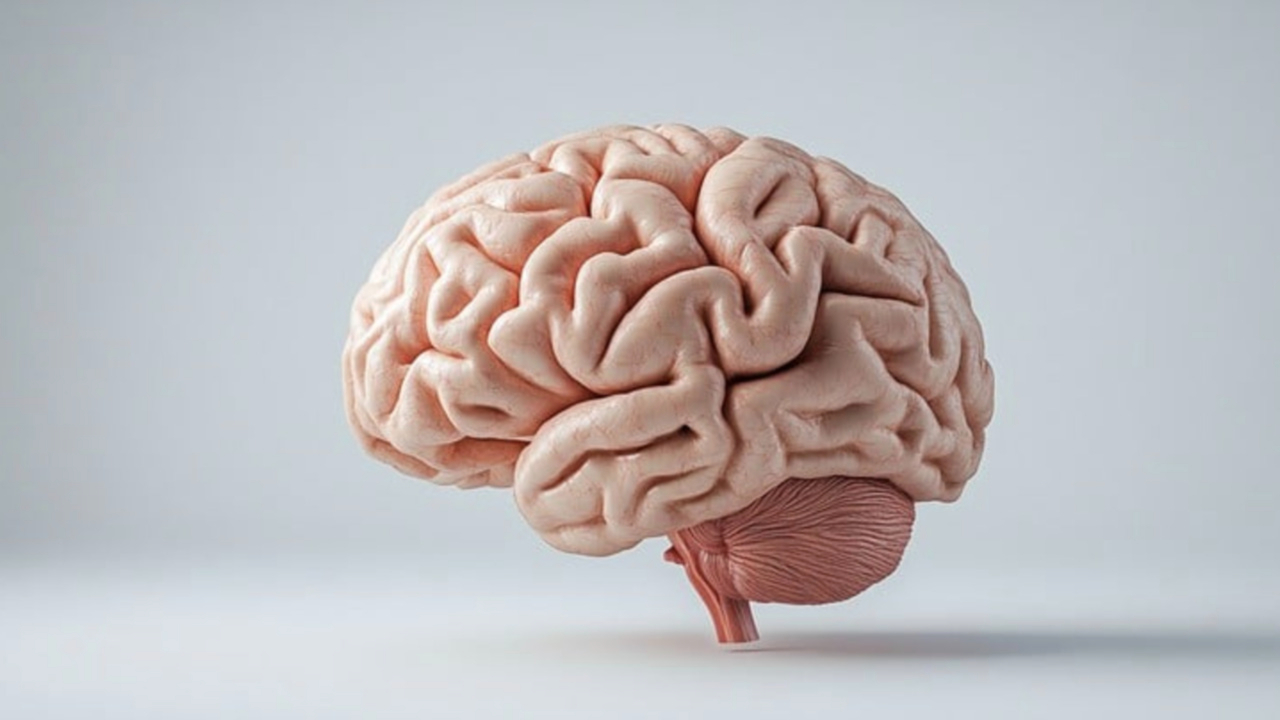
| November 20, 2025Scientific breakthrough allows for realistic human brain models
The process of slicing up and analyzing real human brain tissue carries some obvious ethical complications for anyone not named Hannibal Lecter, forcing scientists to rely on animal brains to study human conditions—which isn’t ideal.
You've made it this far...
Let's make our relationship official, no 💍 or elaborate proposal required. Learn and stay entertained, for free.👇
All of our news is 100% free and you can unsubscribe anytime; the quiz takes ~10 seconds to complete