The Moon just got its own time zone


Image: Romilly Lockyer
If you thought daylight savings time was confusing, wait until you hear about lunar time.
Last week, Chinese researchers unveiled the world’s first unique timekeeping system for the Moon, called Lunar Time Ephemeris (LTE440).
The landmark system isn’t a physical clock, but rather a software algorithm designed to convert Earth-based time to lunar time with extreme precision, and remain accurate for up to 1,000 years.
Why it’s a big deal: Clocks move very slightly faster on the Moon than on Earth due to weaker gravity, with the effects adding up to ~56 millionths of a second each day. This effect, predicted by Albert Einstein’s theory of general relativity, adds up over time and can throw off mission-critical operations around the Moon.
- New timekeeping systems that account for this difference will help future space missions around the globe—including China’s planned Moon base and NASA’s Artemis landings—to coordinate their maneuvers, landings, and communications.
- Researchers say the updated lunar clocks will also prove essential for building the equivalent of GPS on the Moon, a project that could begin within the next few years.
China isn’t alone in its quest. NASA aims to finish its own Moon-centric time system, called Coordinated Lunar Time, by the end of 2026. The European Space Agency is also developing a similar system, but hasn’t released a public timeline.
Share this!
Recent Science & Emerging Tech stories

Science & Emerging Tech
| January 15, 2026Is AI actually making work more efficient?
There’s no doubt that AI is making work faster across the corporate world, according to a report published yesterday by HR software company Workday.
Science & Emerging Tech
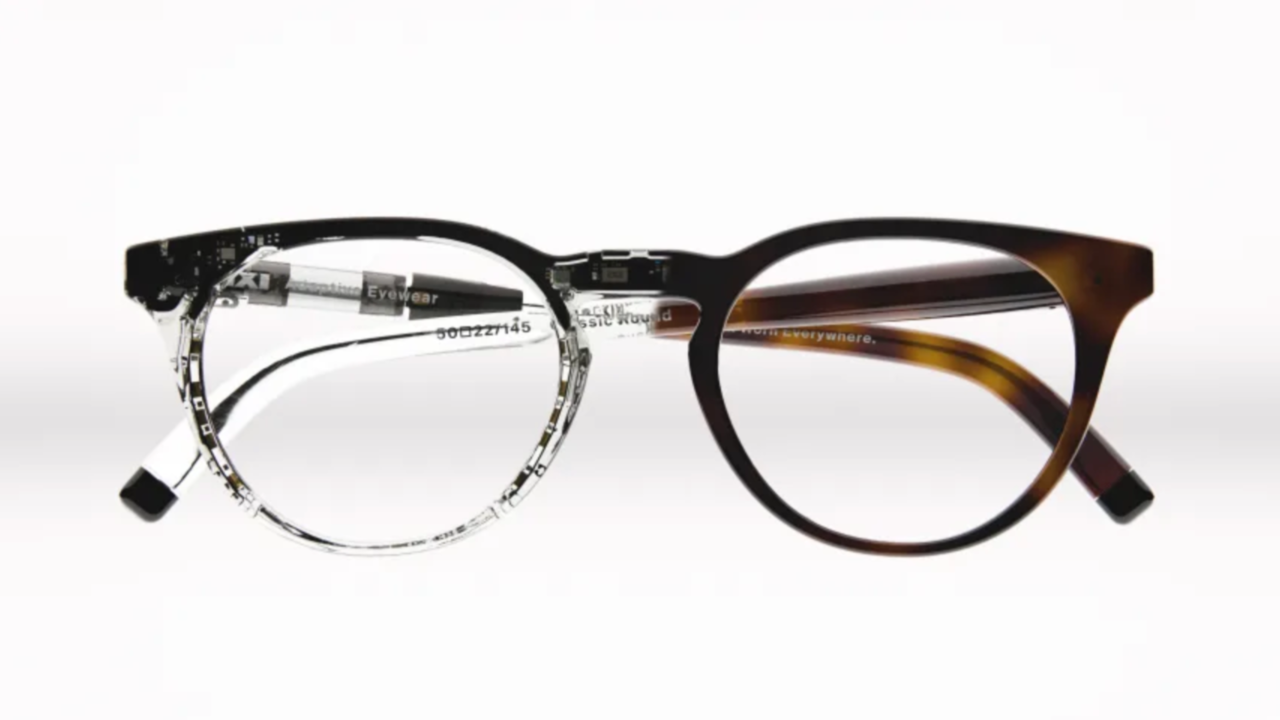
| January 8, 2026New “autofocus” glasses adjust lenses in real time
Finally, a pair of glasses that doesn’t make you choose between reading the menu and seeing your significant other.

Science & Emerging Tech
| December 23, 2025The science regarding alcohol is still on the rocks
Days ahead of Dry January, a new American Heart Association report has revived a very old, very thirsty debate: Is drinking alcohol in moderation actually good for you?
You've made it this far...
Let's make our relationship official, no 💍 or elaborate proposal required. Learn and stay entertained, for free.👇
All of our news is 100% free and you can unsubscribe anytime; the quiz takes ~10 seconds to complete