ADHD comes in three distinct types, new study suggests


Image: Getty
Ever open 27+ browser tabs… and forget why you opened the first one to begin with?
Scientists say that kind of attention chaos in people with ADHD can be categorized into three different types, rather than a single overarching category as previously thought, according to a new study in JAMA Psychiatry.
The breakdown
Scientists analyzed brain scans from 1,100+ children in the US, China, and Australia.
After examining different patterns in the brain scans, researchers found three distinct neurological profiles in children with ADHD:
- Severe combined type. People with this profile show both hyperactivity and inattention, plus higher levels of emotional dysregulation.
- Hyperactive/impulsive. Marked by restlessness, impulsive decisions, and difficulty staying still. Think the classic “leg bouncing under the desk” type.
- Inattentive. Less hyperactivity, but significant issues with focus, organization, and sustained attention. People with this profile frequently miss deadlines and leave to-do lists half finished.
But…before anyone rushes to rewrite the diagnostic manuals, researchers say their findings still need to be replicated. Until then, ADHD remains a clinical diagnosis based on behavioral evaluation, not brain scans.
The potential impact: ADHD diagnoses have skyrocketed across the US in recent decades, with ADHD medication use in children rising nearly five-fold between 2006-2020, and more than 10-fold in adults. If confirmed, researchers say their new findings could lead to more personalized treatments tailored to each of the three ADHD types.
Share this!
Recent Science & Emerging Tech stories

Science & Emerging Tech
| March 5, 2026How pregnancy re-wires the brain to prime for motherhood
Pregnancy involves creating a new human brain entirely from scratch.
Science & Emerging Tech
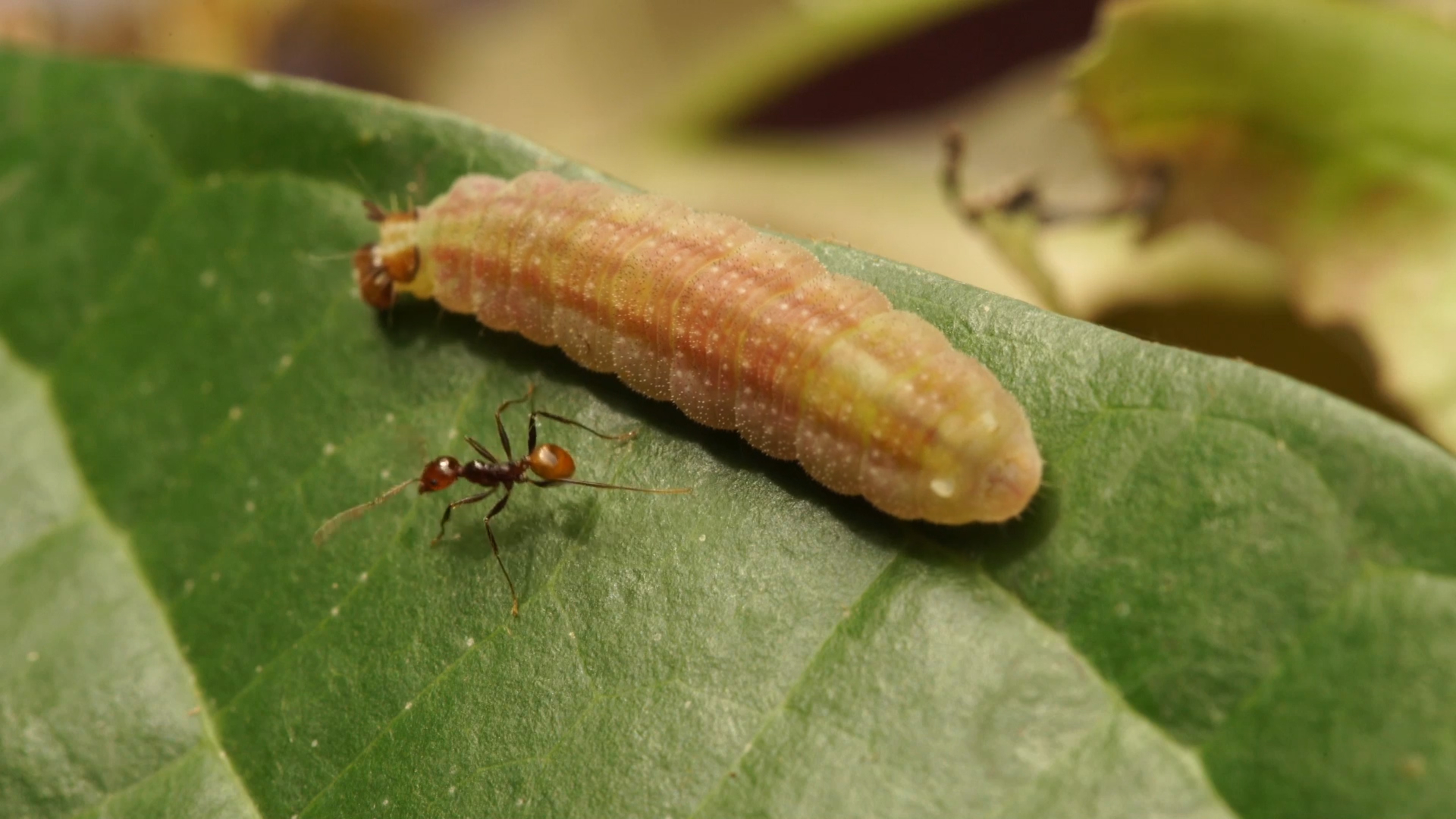
| March 3, 2026Caterpillars can ‘speak’ to ants and trick them via rhythm
If you thought middle school band kids took rhythm seriously, wait until you meet a caterpillar trying not to get eaten.

Science & Emerging Tech
| February 24, 2026Your brain might not be “fully cooked” until 32, research suggests
26-year-olds, rejoice: you’ve got a few more years to blame your brain for your questionable life choices.
You've made it this far...
Let's make our relationship official, no 💍 or elaborate proposal required. Learn and stay entertained, for free.👇
All of our news is 100% free and you can unsubscribe anytime; the quiz takes ~10 seconds to complete