More protein may not always be better, research finds


Image: Smith Collection/Gado
Walk through a grocery store today and you’ll find protein in places never previously imagined. Coffee, cookies, cereal, snack chips—and, at this rate, probably protein-infused toothpaste.
But a recent analysis of 350+ studies led by biomedical scientist Dudley Lamminga suggests more protein isn’t always better.
The longevity case for less
Their findings, published last week in Cell Press’ flagship journal Med, suggest that eating less protein, or less of certain amino acids that make up protein, may activate biological processes tied to healthier long-term aging in humans, mice, insects, yeast, and other organisms.
- Lower protein intake was consistently linked to better metabolism, changes in how cells respond to nutrients, reduced cellular damage, and improved maintenance of healthy cells.
- One possible reason may be tied to an increase in hormone FGF21—found with lower protein consumption—which promotes energy expenditure by encouraging the body to burn fat, instead of storing it.
Recent human clinical trials have also found that participants who lowered their protein intake lost weight and body fat while improving fasting blood sugar, despite often consuming more total calories.
The evidence isn’t one-sided. Other studies indicate higher protein intake can support weight loss and help older adults preserve muscle, particularly when combined with exercise.
Those findings are what led to updated US dietary guidance this year calling for daily protein consumption of 0.5-0.7 grams per pound of body weight, nearly twice the previous amount.
Share this!
Recent Science & Emerging Tech stories

Science & Emerging Tech
| July 30, 2026DoorDash enters the drone delivery market
If your food starts descending from the sky, don't panic—it’s not a case of Cloudy with a Chance of Meatballs. It's probably just your DoorDash order.
Science & Emerging Tech
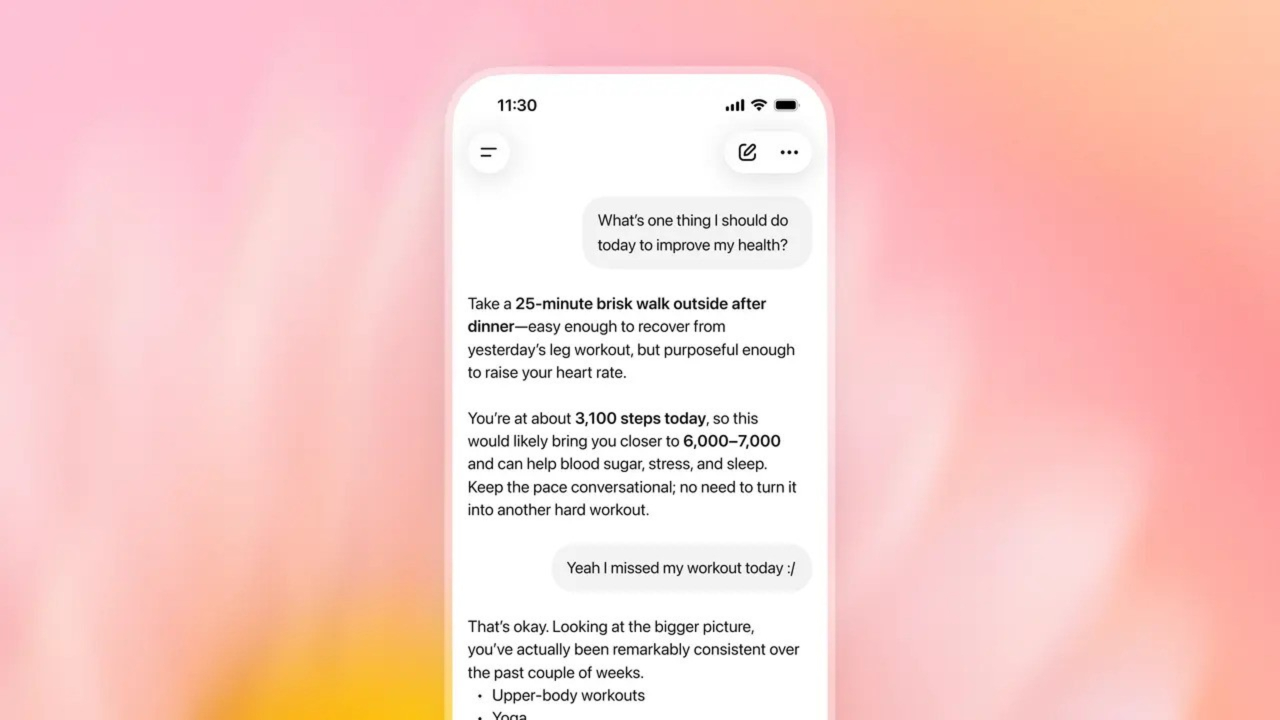
| July 28, 2026ChatGPT is now giving users custom health advice
ChatGPT is ready to move beyond planning a vacation around that one restaurant you saw on TikTok, and into analyzing your bloodwork and exercise routine.
Science & Emerging Tech
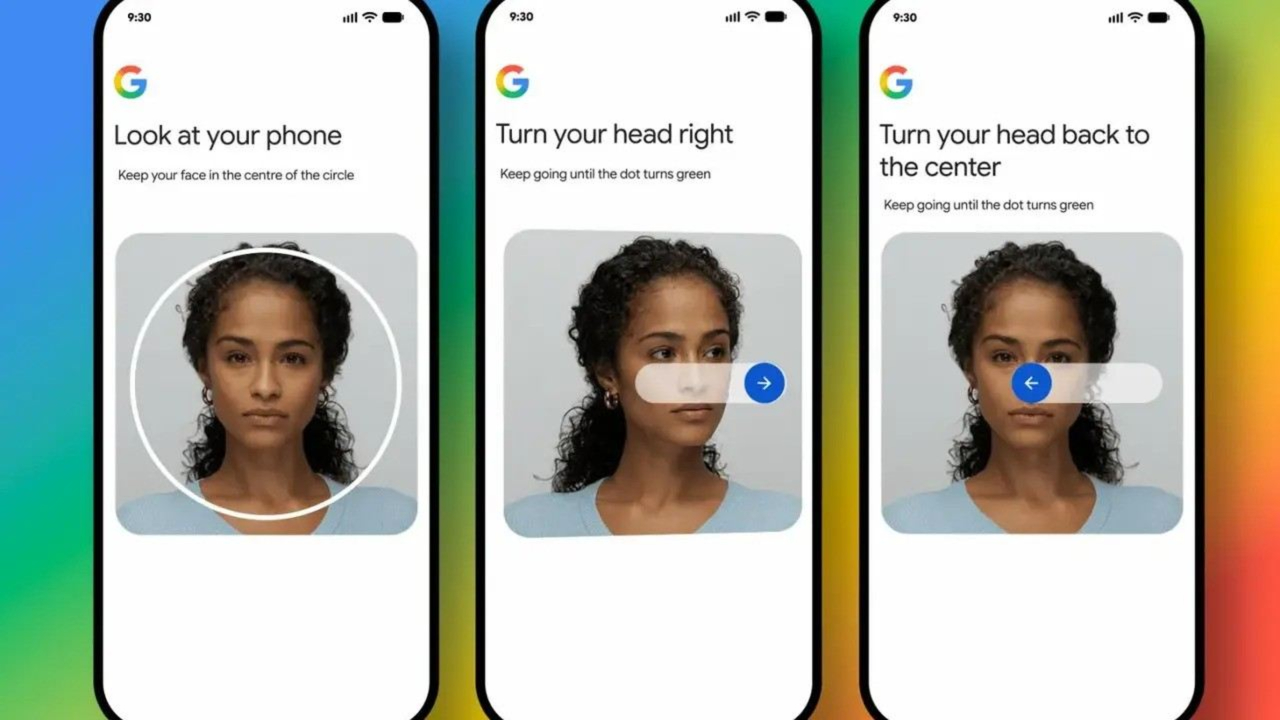
| July 28, 2026Smile, you’re logging into Google
Forgot your password? Google thinks your face should do the trick.
You've made it this far...
Let's make our relationship official, no 💍 or elaborate proposal required. Learn and stay entertained, for free.👇
All of our news is 100% free and you can unsubscribe anytime; the quiz takes ~10 seconds to complete