US economists are upping their risk of a potential recession


Image: Getty
The mood on Wall Street is starting to shift toward fears of an upcoming recession.
In recent weeks, a number of major Wall Street firms have raised their odds of the US having an economic recession—defined as a significant widespread decline in economic activity lasting at least a few months—at some point in the next year.
The list includes Moody’s Analytics (rising to ~49%), Goldman Sachs (30%), Wilmington Trust (45%), and EY Parthenon (40%).
- These predictions are far from a certainty, remaining below 50% across the board.
- But they represent a step up from normal times, when recession odds hover around 20%, signaling an elevated level of risk for the current US economy.
Why are economists spooked?
The Iran war has contributed to a $1.00 increase in average US gas prices over the past month to reach $3.98/gallon (+34%), per AAA. Experts say a prolonged war could keep oil prices high through Q2, potentially pushing the economy into recession.
Additionally, the US jobs market appears to be weakening, even as the unemployment rate holds steady.
- The economy added just 116,000 jobs in all of 2025, and lost 92,000 in February alone, per the Department of Labor.
- While healthcare has added more than 700,000 jobs over the past year, most other sectors have gone the other direction, shedding over half a million positions.
Economic growth also isn’t providing much backup. America’s GDP rose just 0.7% in Q4 of last year and is tracking around 2% this quarter, weaker than many expected coming into 2026.
On the flip side: Research indicates recession forecasts are unreliable at predicting future events, while other economic indicators like the yield curve have sent repeated false recession signals dating back to 2022.
US consumer spending has also held strong in recent months and years, boosted by rising asset values and stock market gains, while a sustained rise in production is another factor in the economy’s favor.
Looking ahead…Some analysts project the US economy will see a boost in the coming months, as effects from last year’s “One Big Beautiful Bill” start to take effect. The package is designed to boost economic growth via looser regulations and larger tax refunds.
📊 Flash poll: In your opinion, will the US experience a recession at some point over the next four quarters?
See a 360° view of what pundits are saying →


Sprinkles from the Left
- Some commentators argue that the Iran conflict is starting to look less like a contained regional fight and more like a serious global economic threat, especially as energy prices spike and key supply routes like the Strait of Hormuz are at risk. They warn that if this drags on, it could mean higher inflation, major supply chain disruptions, and even a worldwide recession.
- Others contend that even though the economy looks solid on paper, it doesn’t feel that way for most people, with high prices, expensive insurance, and a shaky job market dragging down confidence. They argue that this disconnect matters, because you can technically avoid a recession and still have a country where people feel financially stressed and uneasy about where things are headed.
- “Iran war will scar the global economy”- Financial Times Editorial Board
- “The US is Recession-Free but Feels Miserable”- Jessica Karl, Bloomberg
- “If You Hate Trump's Economy I have News for You”- Jason Furman, NY Times


Sprinkles from the Right
- Some commentators argue that the recent economic panic is overblown, since one weak jobs report and rising oil prices don’t necessarily signal a downturn. They point out the labor market is still relatively stable, wages are growing, and past spikes in oil prices haven’t led to recessions, so there’s no reason to assume this moment turns into something worse.
- Others contend that while oil price spikes grab headlines, they’re not as likely to tank the US economy like they did in the past, since America now produces much more of its own energy. The bigger concern, they say, is everything around the war, like global slowdowns and business uncertainty, which can quietly drag on growth as companies hold off on investing and expanding.
- “A Friday Economic Panic Attack”- WSJ Editorial Board
- “Why oil price spikes alone won’t trigger a U.S. recession”- Scott Schaefer, Deseret News
- “The global economy sure doesn’t think Trump started World War III”- Tiana Lowe Doescher, Washington Examiner
Share this!
Recent Discussion stories
Discussion
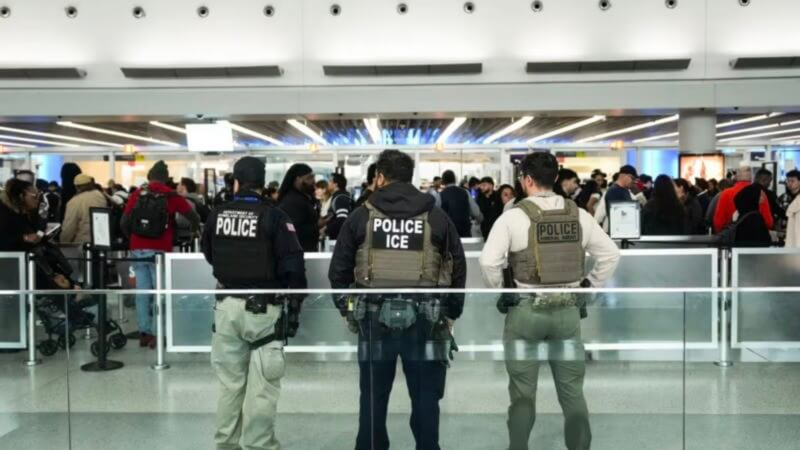
| March 25, 2026ICE agents step in at airports as DHS shutdown continues
This week, the Trump admin began sending ICE agents to assist at major airports, as TSA staffing shortages continue to slow security lines nationwide amid the ongoing partial government shutdown.
Discussion
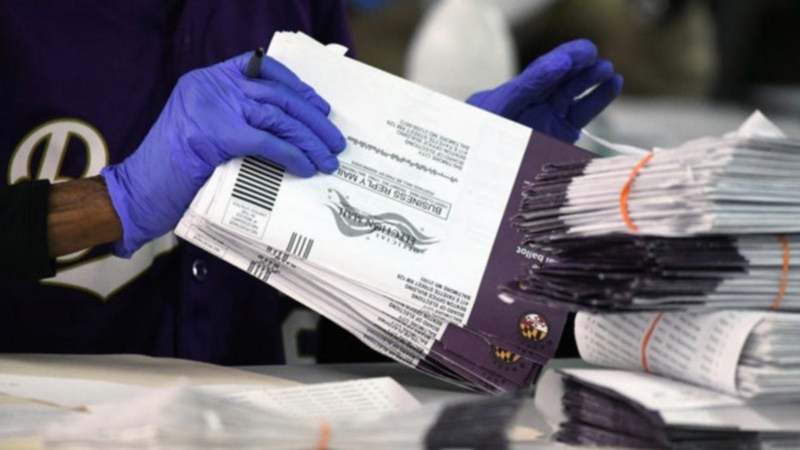
| March 23, 2026SCOTUS to decide legality of late-arriving mail ballots
The Supreme Court is set to hear oral arguments later today in a case that could significantly change how mail-in voting is carried out in states across the country.
Discussion
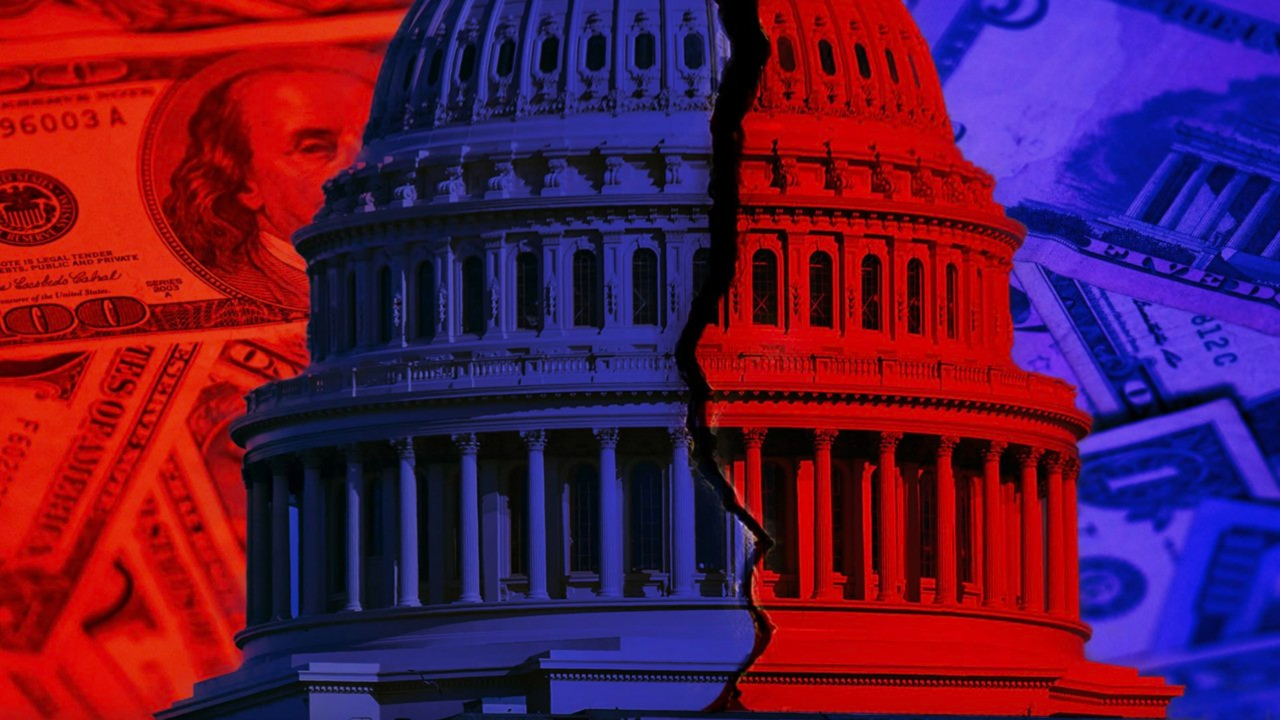
| March 20, 2026Red and blue states are growing further apart on income tax
As America has grown more polarized along political lines, so too have the tax codes in both red- and blue-leaning states, especially when it comes to high earners.
You've made it this far...
Let's make our relationship official, no 💍 or elaborate proposal required. Learn and stay entertained, for free.👇
All of our news is 100% free and you can unsubscribe anytime; the quiz takes ~10 seconds to complete