Trump suggests the US could leave NATO as tensions rise


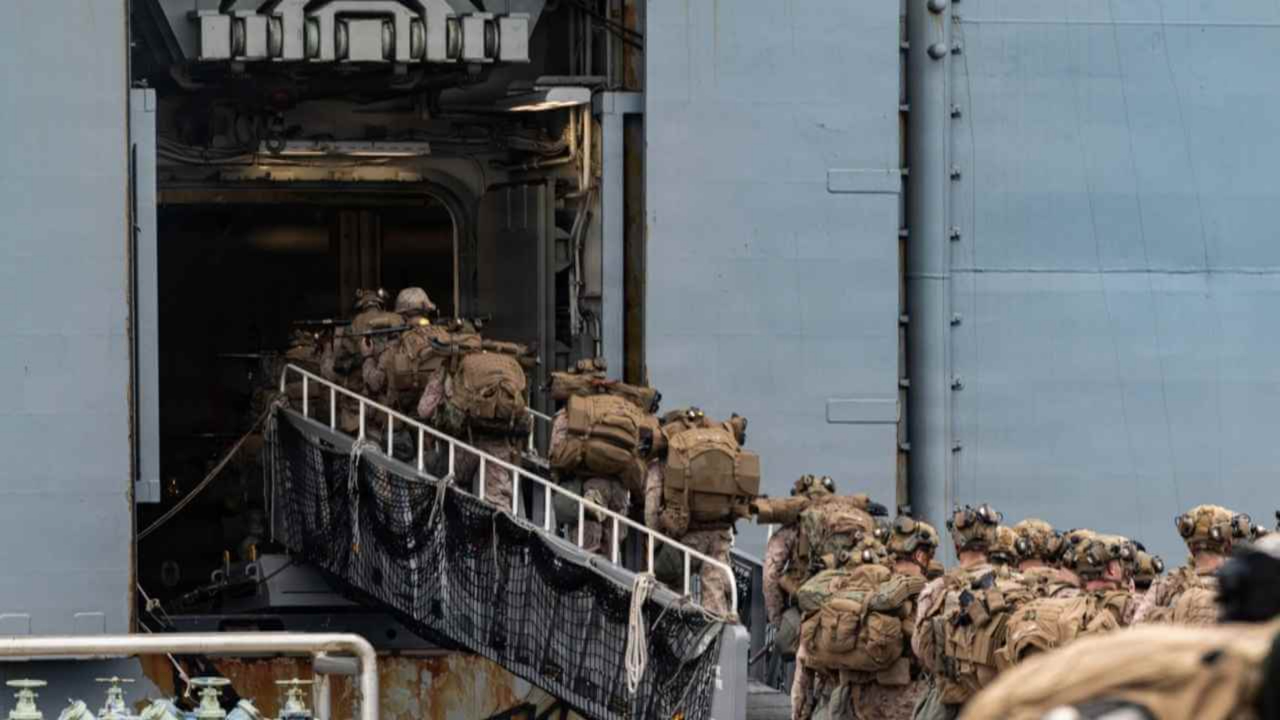
Image: Reuters
This week, President Trump once again raised the possibility of withdrawing the US from NATO, expressing displeasure at the alliance’s European members for not supporting ongoing military efforts in Iran.
At the center of that debate is NATO itself, a decades-old military alliance that shapes how member countries come to each other’s defense.
Quick background: The North Atlantic Treaty Organization (NATO) was formed in 1949 by the US, Canada, and 10 European nations in the aftermath of World War II. Today, the alliance spans 32 countries across Europe and North America, built around a core principle of collective defense: if one member is attacked, the others are required to respond under a NATO clause known as Article 5, with each country deciding what that response looks like.
The arguments
Trump and his administration say NATO allies aren’t doing enough to support the US military, particularly as it presses for help securing the Strait of Hormuz and seeks broader backing in the ongoing conflict with Iran.
The standoff also reflects a longer-running dispute. Trump has repeatedly criticized European countries for relying too heavily on US military power while falling short of defense spending targets. What began as a pressure campaign has now evolved into a broader challenge to the alliance itself.
On the flip side: Other lawmakers and foreign policy experts have pushed back on the idea of the US leaving NATO, warning that such an exit would undercut America’s national security and weaken the country’s standing abroad.
- They note that NATO members are under no obligation to support America’s conflict with Iran, since the alliance is designed only as a defensive pact.
- They also cite the alliance’s track record of helping US interests, including NATO invoking its collective defense clause for the first and only time in history following the Sept. 11, 2001, terror attacks.
Looking ahead…If Trump moves forward with his threat to withdraw the US from NATO, experts say it’s unclear whether he could do so unilaterally, or whether such a move would need a two-thirds majority approval in the Senate.
📊 Flash poll: In general, would you support or oppose the US leaving the NATO military alliance?
See a 360° view of what pundits are saying →


Sprinkles from the Left
- Some commentators argue that leaving NATO would seriously weaken the US by cutting it off from alliances that amplify America’s global influence. They say working with Europe isn’t a burden but a strategic advantage, and walking away would hand more power to rivals like China and Russia while making America more isolated.
- Others contend that Trump’s attacks on NATO risk weakening one of the main reasons Europe has stayed stable for decades, and could embolden adversaries like Russia. They argue that the alliance isn’t just symbolic, it actively prevents larger conflicts, and undermining it makes the world more dangerous, not less.
- “Quitting Nato would rob US of a key pillar of its global power” –The Times Editorial Board
- “Trump is endangering a bulwark of world peace” –Boston Globe Editorial Board
- “Trump’s plan to leave Nato can only decrease global stability” –The Independent Editorial Board


Sprinkles from the Right
- Some commentators argue that NATO has outlived its original purpose and morphed from a defensive alliance into something that fuels ongoing conflict. They say instead of preserving peace, it keeps the US tied to costly interventions and tensions abroad, and that pulling out would force a reset toward a more restrained, America-first foreign policy.
- Others contend that NATO only works if allies actually show up when it counts, and right now some European countries are falling short. They argue that since many allies rely heavily on Middle East energy, helping the US keep key routes like the Strait of Hormuz open isn’t optional—it’s a basic test of whether the alliance still means anything.
- “America should withdraw from NATO immediately” –John Mac Ghlionn, The Hill
- “The fate of the NATO alliance lies in the Strait of Hormuz” –Marc A. Thiessen, WaPo
- “Bomb Iran but Blow Up NATO?” –WSJ Editorial Board
Share this!
Recent Discussion stories

Discussion
| April 1, 2026SCOTUS is weighing limits on birthright citizenship
The Supreme Court will hear oral arguments later today in a case that will decide the legality of President Trump's executive order that seeks to end birthright citizenship in America.
Discussion
| March 30, 2026US is prepping for potential ground invasion in Iran
More than 3,500 additional US troops arrived in the Middle East, officials announced Saturday, as the ongoing war in Iran enters its second month.

Discussion
| March 27, 2026US economists are upping their risk of a potential recession
The mood on Wall Street is starting to shift toward fears of an upcoming recession.
You've made it this far...
Let's make our relationship official, no 💍 or elaborate proposal required. Learn and stay entertained, for free.👇
All of our news is 100% free and you can unsubscribe anytime; the quiz takes ~10 seconds to complete