US gov’t joins nationwide push for nuclear energy


Image: US Dept. of Energy
The Trump administration announced Tuesday that the Department of Energy will provide billions of dollars in loans to help accelerate construction of nuclear reactors across the US.
The plan includes up to $17.5 billion in DoE-backed loans aimed at helping build 10 new nuclear reactors across the US.
- These large reactors, capable of powering 800,000+ homes apiece, would be spread evenly across five separate projects.
- The financing would help utilities purchase major reactor components years in advance, reducing costs and potentially speeding up construction timelines.
America embraces the nuclear option
Nuclear power has seen a resurgence of bipartisan interest in recent years, especially as demand for electricity rises due to AI data centers and more parts of the economy become electrified.
Major tech companies have emerged as some of nuclear power's biggest backers, with firms including Microsoft, Google, OpenAI, Amazon, Meta, and others investing in projects to significantly expand America’s nuclear energy capacity.
Supporters of nuclear power argue it can deliver the best of both worlds:
- Unlike coal and natural gas plants, nuclear reactors don't emit greenhouse gases during operation.
- Nuclear sources can also generate energy around the clock regardless of weather conditions, in contrast to wind and solar facilities.
Those advantages have helped nuclear energy sources attract support from Republicans focused on energy security, Democrats focused on climate goals, and companies searching for reliable sources of power.
But there are still major issues to solve. More than producing clean, reliable electricity, nuclear’s biggest challenge in recent years has revolved around construction. Large reactors require billions of dollars in upfront investment, and often take more than a decade before they even start to generate revenue.
Recent US projects have a mixed track record:
- An expansion at Georgia's Vogtle nuclear plant took ~15 years at a cost of ~$35 billion, after initially being expected to take 7-8 years and cost $14 billion.
- A similar nuclear project in South Carolina was abandoned after costs exceeded $9 billion.
Additionally, some US lawmakers have also cited concerns over long-term storage of radioactive waste, and the potential for catastrophic incidents like Pennsylvania’s Three Mile Island or Japan’s Fukushima meltdown.
Looking ahead... The DOE says seven utilities have already signed letters of intent to participate in the program, though none have been publicly named. Federal officials currently plan to break ground on the 10 large reactors by 2030, and have them operational by mid-decade.
📊 Flash poll: In general, how do you feel about investing in nuclear energy as a source of electricity in the US?
See a 360° view of what pundits are saying →


Sprinkles from the Left
- Some commentators argue that nuclear power should play a larger role in the transition to cleaner energy. They say that as electricity demand grows and states work to reduce emissions, policymakers should reconsider longstanding restrictions and allow nuclear energy to compete alongside other low-carbon power sources.
- Others contend that concerns about nuclear power often overshadow its potential benefits, and that reliable, emissions-free energy will be critical to raising living standards and reducing reliance on fossil fuels as demand continues to grow.
- “Give Nuclear Power Another Chance” –Rebecca Tuhus-Dubrow, NY Times
- “Can we afford to be afraid of nuclear power?” –Tim Gregory, The Guardian
- “Why Small Modular Nuclear Reactors Are a Dead End” –Richard Heinberg, Common Dreams


Sprinkles from the Right
- Some commentators argue that reducing regulatory barriers to advanced nuclear energy could strengthen America's energy future, arguing that new reactor technologies offer a promising way to meet rising electricity demand while improving energy security and affordability.
- Others contend that expanding nuclear power is essential for meeting America’s growing energy needs, arguing that streamlining regulations, accelerating reactor construction, and leveraging public-private partnerships could strengthen US competitiveness across key industries while reducing reliance on foreign energy rivals.
- “The government’s freeze on nuclear energy is thawing” – WaPo Editorial Board
- “Let the TVA Power America’s Nuclear Future” –Bill Lee, WSJ
- “Trump nuclear revival brings dependable power back to U.S. grid” –Washington Times Editorial Board
Share this!
Recent Discussion stories

Discussion
| June 22, 2026Iran pauses peace talks with the US
The Trump administration's newly signed peace agreement with Iran is already facing major headwinds.

Discussion
| June 17, 2026AI deepfakes gain popularity ahead of the midterms
Campaign ads featuring AI-generated images and videos once sounded more like political satire than reality.
Discussion
| June 15, 2026SpaceX’s IPO rewrites the record books
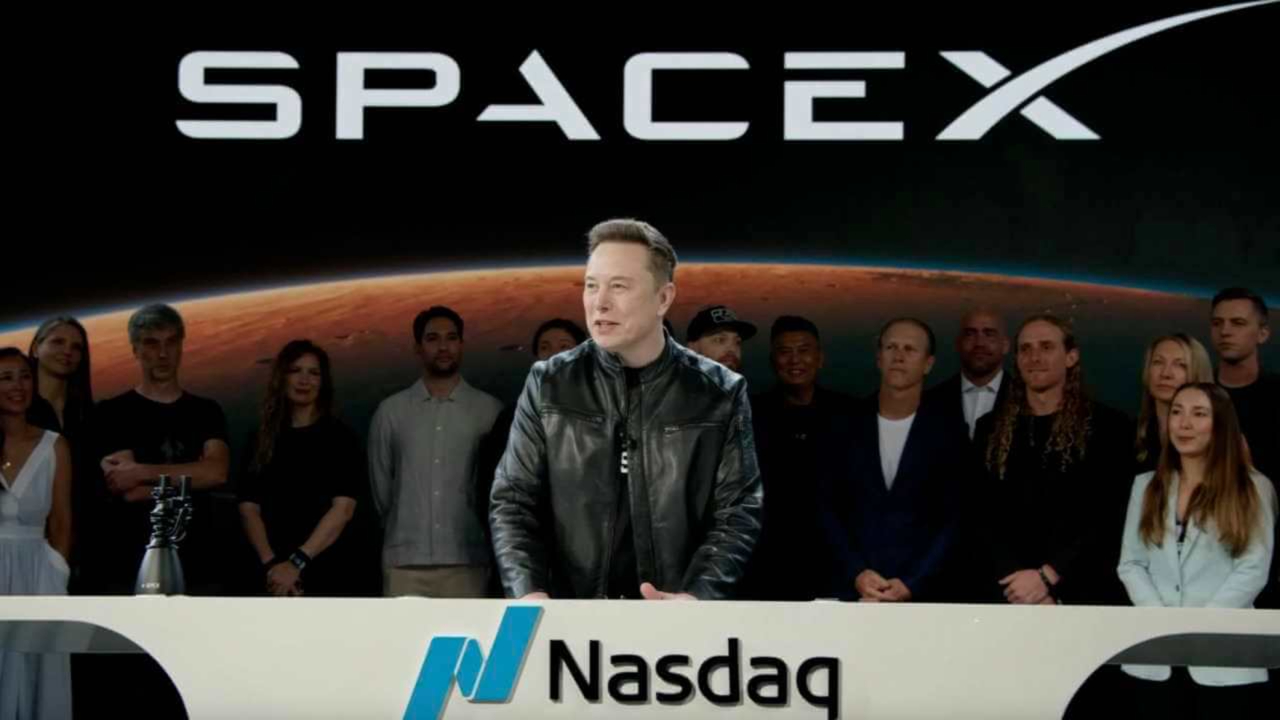
On Friday, SpaceX officially entered the public markets following a record-breaking $75 billion IPO, with shares opening 11% above their offering price and finishing the day 19% higher.
You've made it this far...
Let's make our relationship official, no 💍 or elaborate proposal required. Learn and stay entertained, for free.👇
All of our news is 100% free and you can unsubscribe anytime; the quiz takes ~10 seconds to complete