Supreme Court upholds birthright citizenship


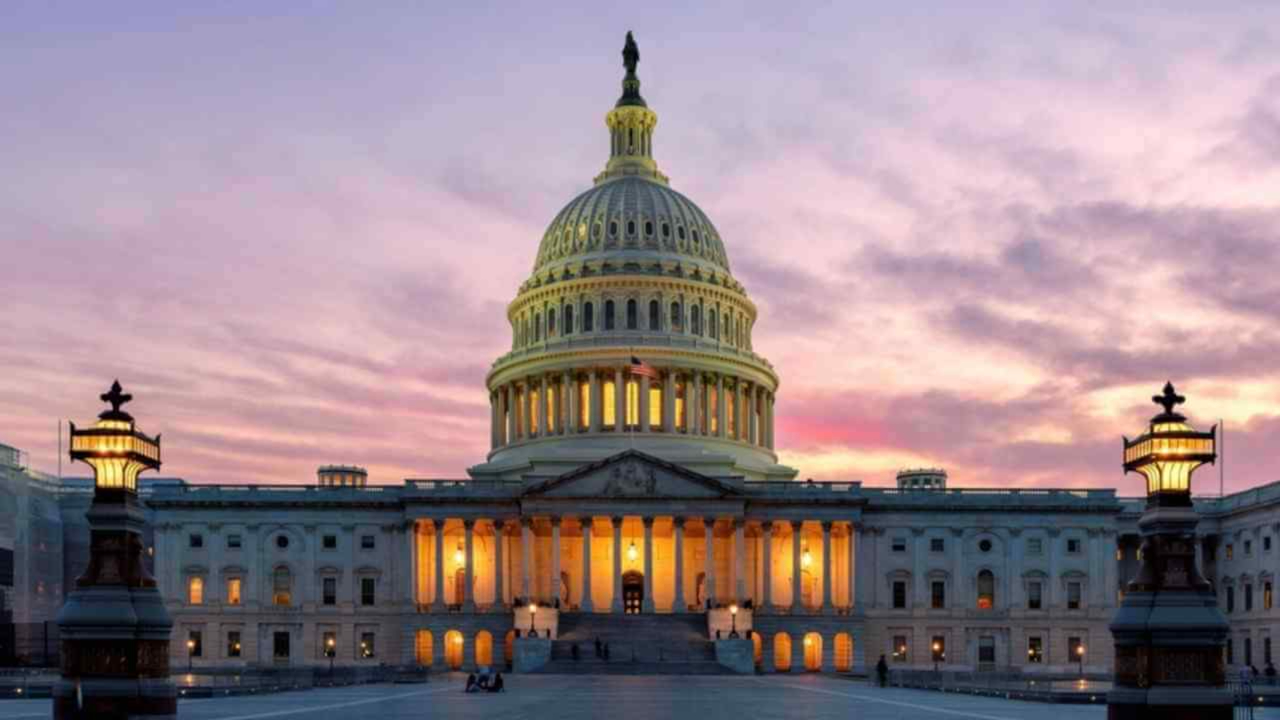
Image: ABC News
The Supreme Court yesterday rejected President Trump's effort to restrict birthright citizenship, rejecting a signature immigration policy that sought to reinterpret the constitutional principle that nearly everyone born on US soil is a citizen.
The case centered on an executive order Trump signed on his first day back in office, declaring that children born in the US would no longer automatically receive citizenship if their parents were in the country illegally or in the US on temporary visas.
Lower courts quickly blocked the order, preventing it from taking effect and sending the dispute to the nation's highest court.
A majority of Justices sided with lower court rulings in a 6-3 decision against Trump's executive order.
- Five justices concluded the executive order violated the Constitution.
- The sixth, Justice Brett Kavanaugh, agreed the order couldn't take effect, but based his vote on a 1940 law enacted by Congress instead of the Constitution.
Breaking down the decision
The Trump administration argued that the 14th Amendment's Citizenship Clause had been misunderstood for more than a century, saying the amendment was written after the Civil War to guarantee citizenship for formerly enslaved Americans, and shouldn’t apply to children born to parents living in the US illegally or temporarily.
They also supported the executive order as a way to discourage "birth tourism," where immigrants travel to the US to give birth and secure citizenship for their child.
But the majority disagreed, with Chief Justice John Roberts writing that the 14th Amendment's text, historical record, and the Supreme Court's 1898 United States v. Wong Kim Ark decision all support birthright citizenship for nearly everyone born on American soil, adding there was "scant evidence" supporting the Trump admin's interpretation.
- On the flip side, Justices Samuel Alito, Clarence Thomas, and Neil Gorsuch sided with Trump.
- In their dissent, the Justices argued that the majority’s decision expands the 14th Amendment beyond its original meaning, and gives too little weight to its historical context.
Zoom out: The birthright citizenship case was one of several major rulings released on the final day of the Supreme Court’s term. In separate 6-3 decisions, Justices upheld state laws restricting transgender athletes from competing in girls' and women's school sports, and struck down federal limits on how much political parties can spend in coordination with candidates due to First Amendment violations.
📊 Flash poll: In general, do you support or oppose the Supreme Court’s decision to uphold birthright citizenship?
See a 360° view of what pundits are saying →


Sprinkles from the Left
- Some commentators argue that the Supreme Court's decision to preserve birthright citizenship reaffirmed the Constitution's plain meaning, saying the ruling upheld a longstanding constitutional guarantee and reinforced the principle that fundamental rights shouldn’t be altered through executive action.
- Others contend that the Supreme Court's narrow ruling exposed how politically divided the court has become, warning that constitutional protections such as birthright citizenship shouldn’t hinge on shifting ideological interpretations or a single justice's vote.
- “The Supreme Court Remembers Its Principles” –New York Times Editorial Board
- “How Was the Birthright Citizenship Decision This Close?” –Noah Feldman, Bloomberg
- “Supreme Court upholds America’s promise on birthright citizenship” –American-Statesman Editorial Board


Sprinkles from the Right
- Some commentators argue that the Supreme Court misinterpreted the 14th Amendment, saying its citizenship guarantee was intended only for children of people with a lasting legal allegiance to America, not everyone born on US soil.
- Others contend that the original meaning of the 14th Amendment supports limiting birthright citizenship to the children of lawful or permanent US residents, arguing that the Constitution's citizenship guarantee was intended to require full political allegiance rather than simply being born on US soil.
- “The Supreme Court gets it wrong on birthright citizenship. Why Trump was right to ban it” –William G. Hyland Jr., Washington Examiner
- “Trump Is Right on Birthright Citizenship” –Randy E. Barnett, Wall Street Journal
- “Supreme Court must end birthright citizenship” –Washington Times Editorial Board
Share this!
Recent Discussion stories

Discussion
| June 29, 2026China's AI gains are testing America's strategy
Chinese startup Zhipu AI has released a new AI model that can match Anthropic's flagship Mythos system at finding software security bugs in certain benchmark tests, according to cybersecurity company Semgrep.
Discussion
| June 26, 2026Trump delays bipartisan housing bill over SAVE Act
After clearing both the Senate and House this week, the bipartisan Road to Housing Act appeared to be on track to become law.

Discussion
| June 24, 2026US gov’t joins nationwide push for nuclear energy
The Trump administration announced Tuesday that the Department of Energy will provide billions of dollars in loans to help accelerate construction of nuclear reactors across the US.
You've made it this far...
Let's make our relationship official, no 💍 or elaborate proposal required. Learn and stay entertained, for free.👇
All of our news is 100% free and you can unsubscribe anytime; the quiz takes ~10 seconds to complete