Cyberattacks are entering a new AI-enhanced era


Swedish grocery store unloads food after refrigerator hack; Image: Johan Nilsson
Hackers have been making headlines for some pretty unusual targets lately, from grocery store freezers in Europe to US military commissaries, and stolen billions in cryptocurrency along the way.
Their methods are also becoming more sophisticated, with some now using AI to do much of the work involved in breaking into computer systems.
A string of unusual attacks
Hackers reportedly tampered with refrigeration systems at dozens of European supermarkets earlier this month, sending temperatures soaring, leaving stores with spoiled food instead of frozen goods, and affecting some French blood banks.
- Similar trouble has been reported at US military bases, where the Pentagon is investigating suspected cyberattacks on freezers at roughly six commissaries since late August.
- Investigators are examining possible ties to Iran, though no culprit has been confirmed. It's also unclear whether the US and European incidents are connected.
Crypto con: At Binance, one of the world's largest cryptocurrency exchanges, North Korean hackers reportedly tricked two engineers into downloading malicious software via a sophisticated scheme:
- One engineer thought they were interviewing for a new job after being contacted by a recruiter on LinkedIn. The interview process included a coding assignment that contained malicious software, which the engineer unknowingly downloaded.
- Another engineer was looking to download Homebrew, a popular software management tool, when they clicked an online ad promoting a fake version. That download also contained malicious software, giving the hackers another foothold in Binance's systems.
The attackers ultimately gained access to crypto wallets and stole ~$6.3 billion, though Binance says ~$2.5 billion has since been recovered.
What’s been changing?
Hackers have long relied on tricks like convincing people to download malicious software or finding weaknesses in computer systems to break in. Now, AI is helping them pull off those same attacks much faster and on a larger scale, while potentially giving less experienced hackers access to tools that once required serious technical expertise.
Case in point: A China-linked hacking group called VaporPanda launched an effort last month that used AI tools like DeepSeek and Artex to research potential targets, identify security weaknesses, and help exploit those vulnerabilities.
- Over 11 days, the group targeted 200+ organizations across at least 14 countries, successfully compromising the systems of at least nine orgs.
- The AI handled much of the legwork, allowing hackers to pursue multiple targets at once under human supervision.
Looking ahead…The UK's National Cyber Security Centre warned last week that AI-powered ransomware could hit the country's critical infrastructure by 2028. Governments and businesses are also fighting back with AI tools of their own, including a newly announced UK Cyber Shield designed to strengthen the country's defenses.
📊 Flash poll (long-form): How concerned are you about a major cyberattack targeting the US government, companies, or infrastructure in the near future?
See a 360° view of what pundits are saying →


Sprinkles from the Left
- Some commentators argue that a recent wave of cyberattacks in Japan highlights how AI is making cybercrime cheaper, easier, and more widespread, allowing hackers to exploit existing security weaknesses on a massive scale. They argue that rather than focusing primarily on hypothetical future AI threats, governments and tech companies should prioritize immediate cybersecurity risks by investing in stronger defenses, training, and international cooperation to protect vulnerable businesses.
- Others contend that AI is making cyberattacks increasingly dangerous by giving criminals and small groups access to powerful tools capable of causing widespread disruption, posing a growing threat to businesses and critical infrastructure worldwide. They argue that the US and China must put aside some of their geopolitical differences to establish shared AI safety rules and cooperate against cybercrime before these threats become even harder to control.
- “Karaoke Hack Shows Cybercrime Is Routine” –Catherine Thorbecke, Bloomberg
- “The Big Change Coming in U.S.-China Relations in the Age of A.I.” –Thomas L. Friedman, NY Times
- “The push for global regulation must advance” –The Guardian Editorial Board


Sprinkles from the Right
- Some commentators argue that AI is rapidly transforming cybersecurity, as powerful models can now uncover dangerous software vulnerabilities that once took experts months to find, potentially giving hackers unprecedented opportunities to attack businesses and government systems. They argue that while American AI companies currently have an advantage in identifying these threats before criminals do, increasingly capable open-source models could erase that lead, making continuous security testing and greater government investment essential.
- Others contend that America's leading AI companies are dangerously vulnerable to cyberattacks, potentially allowing foreign adversaries like China to steal valuable technology and undermine the country's advantage in the global AI race. They argue that intense competition between tech companies has left cybersecurity underprioritized, and the federal government should use its existing authority over defense contracts, export licenses, and public funding to enforce stronger security standards.
- “AI Saves the Day—and Could Bring Doom Tomorrow” –Brett Goldstein, WSJ
- “The AI race has a cybersecurity problem no one can ignore” –Tal Feldman and Ibrahim Dagher, WaPo
- “Main Street is fighting foreign cyberthreats blind” –Rep. Roger Williams, Washington Examiner
Share this!
Recent Discussion stories

Discussion
| November 6, 2026How did the midterm blue wave form?
Democrats emerged from Tuesday's midterm elections with firm control of both the House and Senate after flipping Republican-held seats across the country, representing a marked shift in voting patterns nationwide.

Discussion
| November 4, 2026Democrats sweep midterms in major blue wave
Election Day 2026 is officially in the books, ending a monthslong campaign season that featured decoy candidates, last-second endorsement switches, and an overwhelming tsunami of political ads.
Discussion
| November 2, 2026AI's honeymoon phase starts to wear off for investors
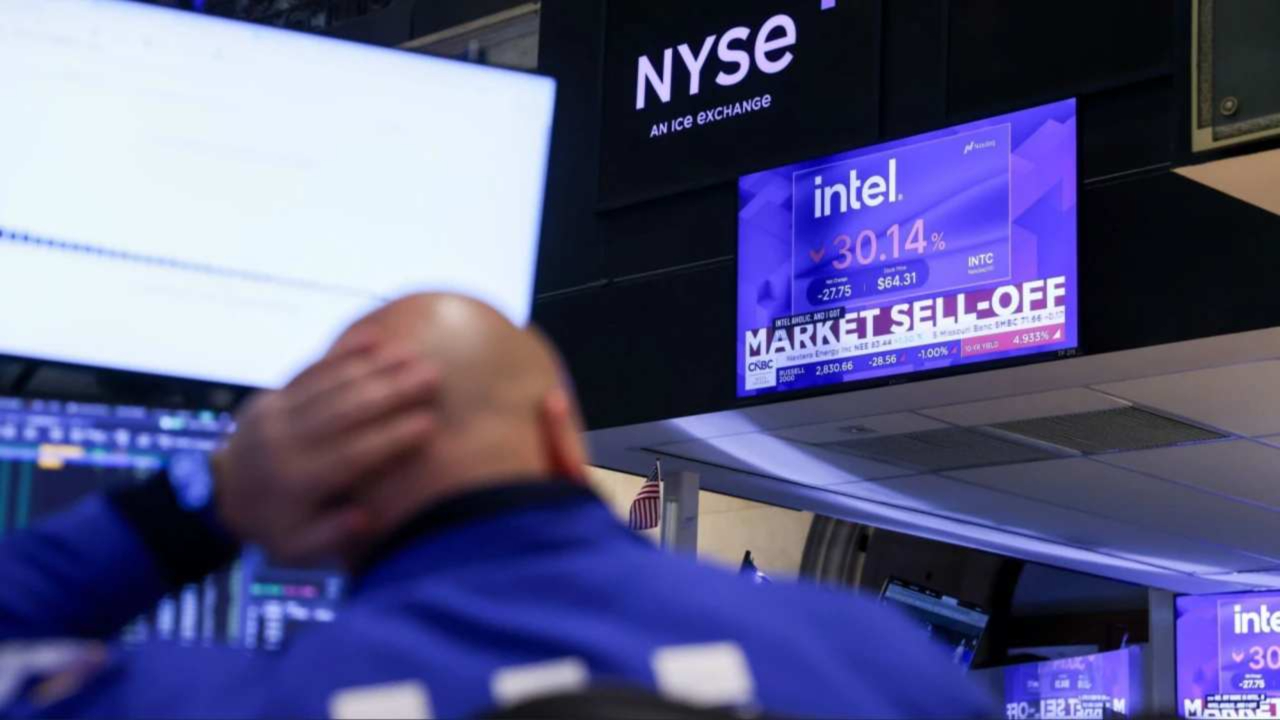
Wall Street's AI enthusiasm took a hit last week after mixed earnings reports from major tech companies raised fresh concerns about the enormous sums being poured into the technology.
You've made it this far...
Let's make our relationship official, no 💍 or elaborate proposal required. Learn and stay entertained, for free.👇
All of our news is 100% free and you can unsubscribe anytime; the quiz takes ~10 seconds to complete