Online businesses are adopting SEO for AI searches


Image: Shuttershock
After spending decades learning how to get on Google’s good side, online businesses are now scrambling to please a new overlord: AI search results.
The issue: More internet search users are going straight to AI tools that do the digging for them, with search engines following suit and adding AI summaries that answer questions instantly—slashing clicks to some sites by as much as 60%.
The queries themselves are also in the midst of rapid change, going from a terse 4-6 words in a traditional Google search to a 40-60 word, in-depth question to an AI search engine.
Trying catch AI’s eye
A growing number of online companies are leaning into answer engine optimization (AEO), or tips and tricks to help their websites to rank well in AI tools like ChatGPT and search engine overviews.
Under this philosophy, online content should be easy for AI to grab, understand, and repeat across millions of users.
- In practice, that means a renewed focus on clean summaries, bullet points, and FAQs.
- Brands are also stacking related content like backlinks, expert bios, “training courses” to look like authorities on a certain topic, increasing their odds of getting picked up by AI searches.
Zoom out: Google still dominates the search world, with 8.9 billion daily queries, but AI is gaining ground fast. More than one-third of US consumers (37%) report starting online searches with AI, then double-checking info with traditional search engines.
Share this!
Recent Business & Markets stories

Business & Markets
| March 31, 2026Airlines continue to expand premium options
A growing number of airlines are embracing a simple truth about flying: legroom sells.

Business & Markets
| March 26, 2026Meta and Google found liable in landmark social media case
A Los Angeles jury just dealt a major blow to Meta and Google in a closely watched social media case, finding both companies liable for designing their products to get young users addicted.
Business & Markets
| March 12, 2026Uber launches women-only feature
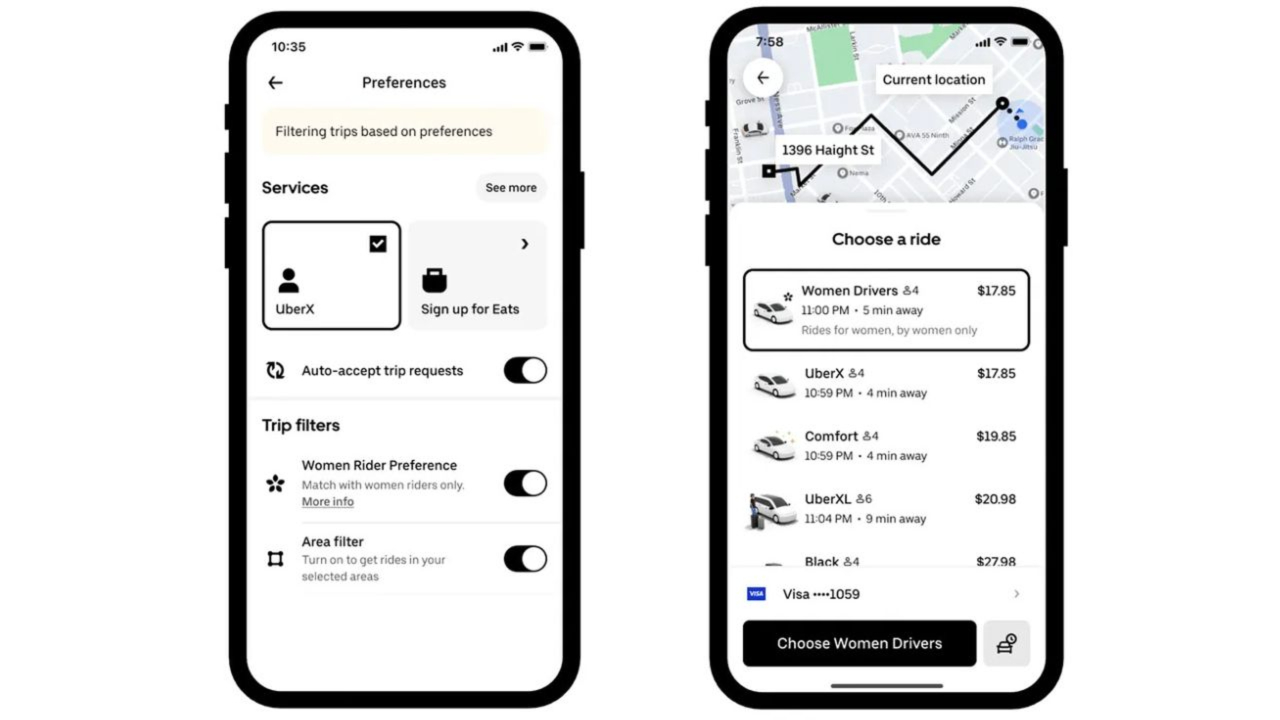
Uber and preteen girls now have something in common: certain doors come with a “NO BOYS ALLOWED” sign.
You've made it this far...
Let's make our relationship official, no 💍 or elaborate proposal required. Learn and stay entertained, for free.👇
All of our news is 100% free and you can unsubscribe anytime; the quiz takes ~10 seconds to complete