It’s Prime time for ecommerce retailers


Image: AP
Amazon's annual Prime Day officially kicked off this week, but calling it Prime “Day" is starting to feel a little like calling the Super Bowl a neighborhood pickup game.
What began in 2015 as a made-up shopping holiday to sell Prime memberships has evolved into a full-blown retail event.
Prime Day runs from June 23-26 this year, while rivals including Target and Walmart have launched their own competing deal events to cash in on the shopping frenzy.
Consumers are showing up
Americans spent ~$8.3 billion online to begin the Prime Day event on Monday, per Adobe Analytics, topping the firm's earlier forecast of $7.9 billion. Adobe projects online spending will reach $26.3 billion this week, up 9% from last year.
- 46% of shoppers plan to browse Prime Day deals without a specific purchase in mind, while 25% plan to stock up on everyday essentials, according to research firm Numerator.
- Another 21% say they're using the sales to buy household necessities or larger purchases they've been putting off.
At the same time: The average Prime Day order size currently stands at $48.36, or ~$10/shopper lower compared to the same point last year (-17%). The data indicates that more consumers are shopping on Amazon this year, but they’re shelling out less than before.
The shopping spree is universal this week. Major competing sales events at Target (Circle Week) and Walmart (Walmart Deals) are also running alongside Prime Day, turning what was once a company-specific promotion into the summer version of Black Friday and Cyber Monday.
Share this!
Recent Business & Markets stories
Business & Markets
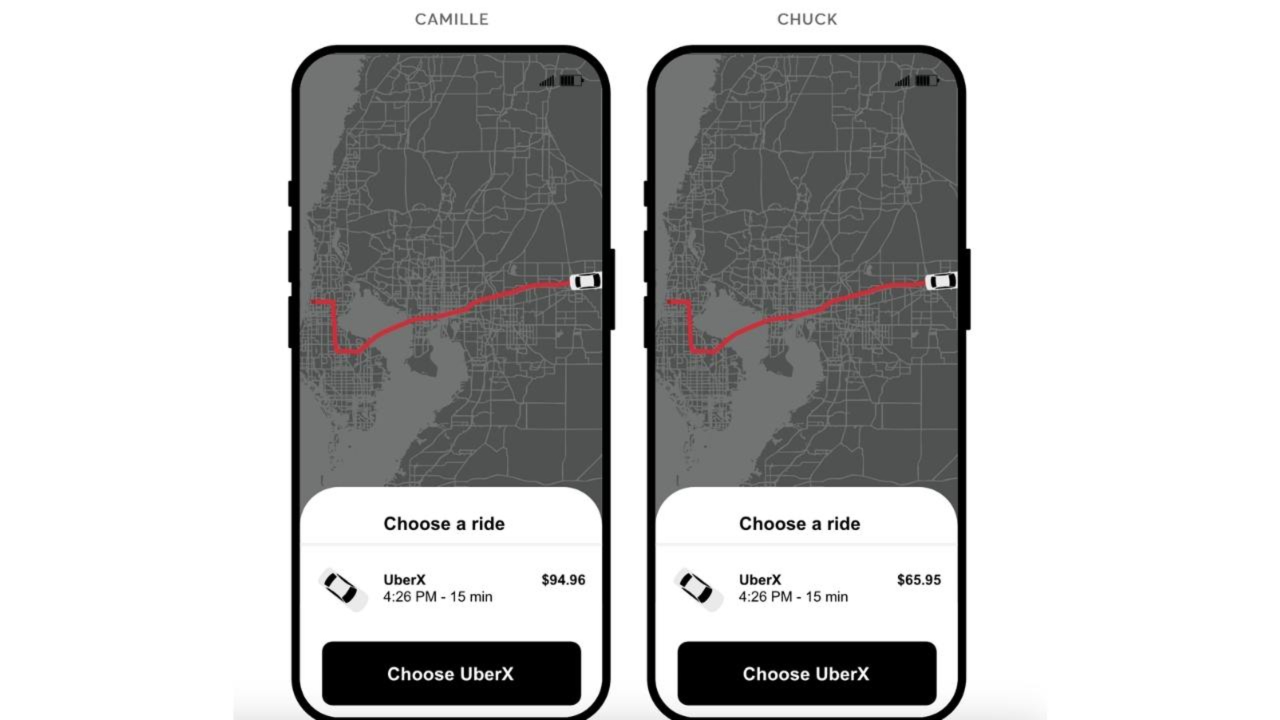
| June 18, 2026Everyone sees different prices on Uber and Lyft, report shows
Picture this: You and your friend open Uber at the exact same time, request the exact same ride, and somehow get two totally different prices.

Business & Markets
| June 9, 2026Apple is (finally) refreshing Siri
Hollywood isn’t the only behemoth whose strategy involves leaning into reboots.
Business & Markets
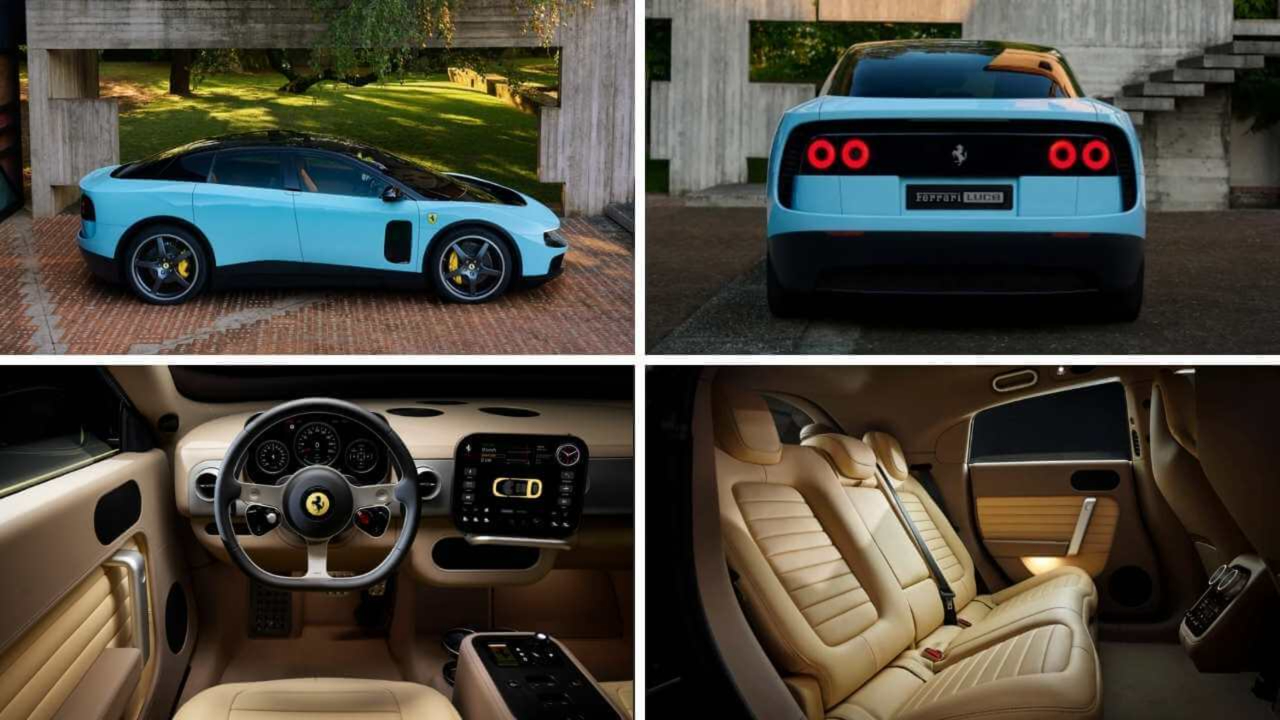
| May 28, 2026Ferrari debuts first EV to widespread backlash
Ferrari’s newest car has five seats, four doors, no engine roar, and enough horsepower to make a roller coaster nervous.
You've made it this far...
Let's make our relationship official, no 💍 or elaborate proposal required. Learn and stay entertained, for free.👇
All of our news is 100% free and you can unsubscribe anytime; the quiz takes ~10 seconds to complete