Hertz is taking another shot at the future


Image: Cindy Ord
Five years after making a disastrous bet to electrify its rental fleet, Hertz is back with a new future-focused strategy: serving as the backbone of the robotaxi industry.
The company recently launched a new fleet-management business called Oro Mobility, which will clean, charge, maintain, and dispatch autonomous vehicles for partner companies.
- Its first major customer is Uber, whose Lucid-Nuro robotaxi fleet is set to launch in San Francisco later this year, with more cities expected to follow.
- Hertz is also using 1,000 employees to drive Uber vehicles today, a move CEO Gil West says will help the company build the operational "muscle memory" needed before software takes over.
Learning from past experiences
Hertz ended up taking a ~$2 billion loss from replacing its fleet with EVs, after the rental company was forced to unload tens of thousands of vehicles amid weakened consumer demand, high repair costs, and plunging resale values.
But that experience also left Hertz with thousands of chargers and decades of fleet expertise, which the company hopes will give it an edge in autonomous driving.
Big picture: Robotaxis are quickly shifting from sci-fi to everyday transportation. Waymo, the clear industry leader, now provides 500,000+ paid rides every week, up from ~10,000/week two years ago. The Alphabet-owned company now has its sights set on reaching 1 million paid rides/week by year’s end.
Share this!
Recent Business & Markets stories
Business & Markets
| June 25, 2026It’s Prime time for ecommerce retailers
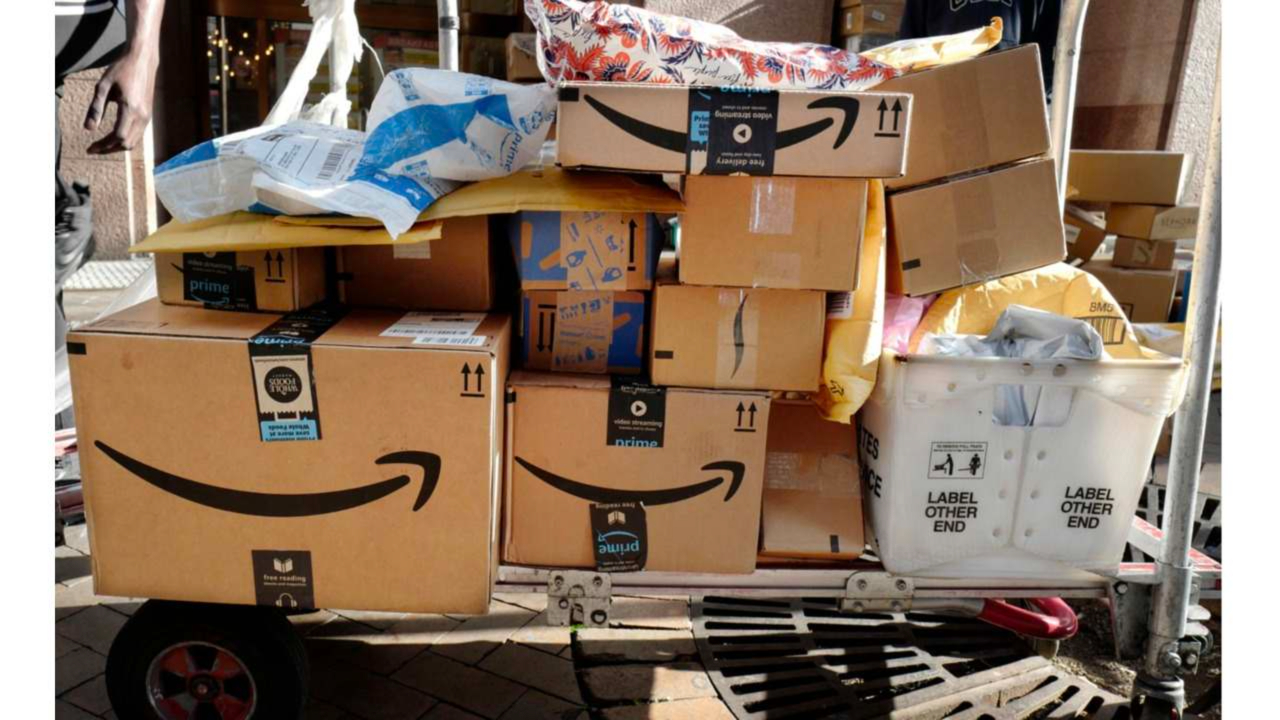
Amazon's annual Prime Day officially kicked off this week, but calling it Prime “Day" is starting to feel a little like calling the Super Bowl a neighborhood pickup game.
Business & Markets
| June 18, 2026Everyone sees different prices on Uber and Lyft, report shows
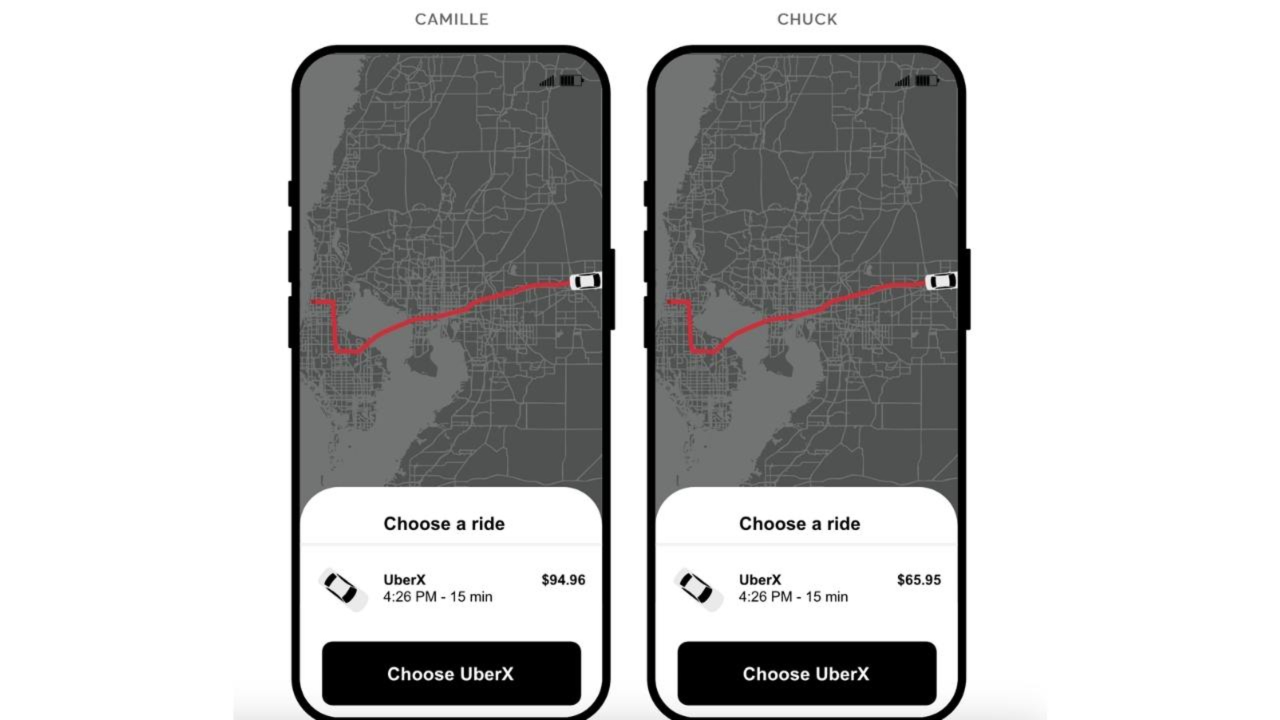
Picture this: You and your friend open Uber at the exact same time, request the exact same ride, and somehow get two totally different prices.
Business & Markets
| June 9, 2026Apple is (finally) refreshing Siri
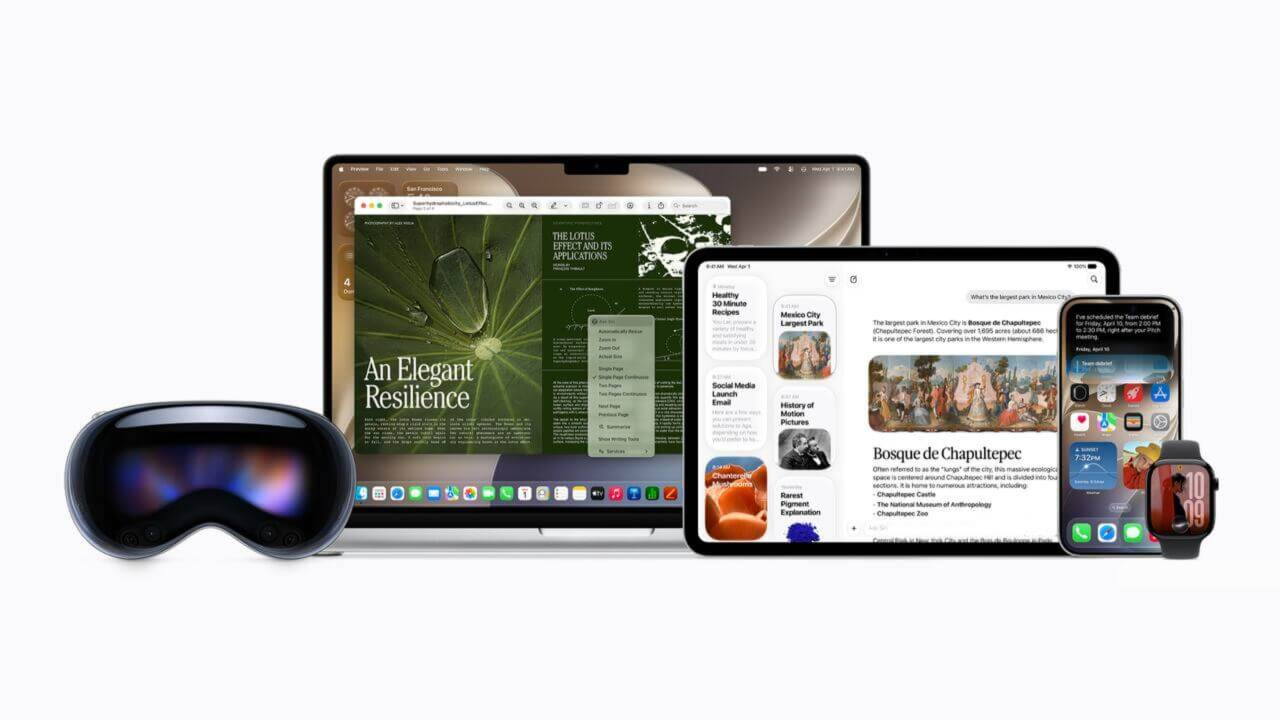
Hollywood isn’t the only behemoth whose strategy involves leaning into reboots.
You've made it this far...
Let's make our relationship official, no 💍 or elaborate proposal required. Learn and stay entertained, for free.👇
All of our news is 100% free and you can unsubscribe anytime; the quiz takes ~10 seconds to complete