Companies aren’t so keen on AI agents doing your shopping


Image: MoneyWatch
Your AI assistant might be ready to book your next vacation, but United Airlines isn’t going to issue a boarding pass.
The airline announced yesterday that it's banning unauthorized third-party AI agents from booking flights on its website, citing concerns over customer privacy, unintended purchases, and potential regulatory violations.
- United says giving AI agents access to customer accounts could expose sensitive information or result in unauthorized changes, including the use of frequent-flyer miles.
- The airline also warned that automated actions could violate FAA and Transportation Department rules, like those requiring passengers to personally confirm that their luggage doesn't contain explosives.
AI agents can still display United's flights and fares, but customers must complete bookings themselves unless the agent is authorized.
Déjà vu all over again: The pushback echoes an earlier battle in the airline industry, which spent years clashing with online travel agencies over how flights were displayed and sold.
The customer is always byte
A wide range of businesses—including retailers, banks, and travel agencies—are also grappling with the rise of AI agents like Meta's Muse and OpenAI's Dots, which can comparison-shop, find deals, and make purchases on users' behalf.
Walmart has partnered with Meta's Muse, while travel companies Expedia and Booking.com are working with OpenAI, viewing AI agents as a potential new sales channel.
Others are less enthusiastic. Along with United, Amazon has also blocked AI agents from shopping on its website amid concerns they could interfere with ad revenue and the retail giant’s ability to market directly to consumers.
Share this!
Recent Business & Markets stories

Business & Markets
| November 10, 2026Nvidia CEO admits affair with suspected Chinese spy
Jensen Huang, the world's most powerful AI executive, admitted on Sunday to an affair with a businesswoman who’s suspected of being a Chinese spy.

Business & Markets
| November 5, 2026Advertisers get crafty in bid to stand out from AI
As AI-generated images and videos flood the advertising industry, a growing number of major brands are turning to a decidedly old-school alternative: making commercials by hand.
Business & Markets
| November 3, 2026Apple is getting in touch with its MacBooks
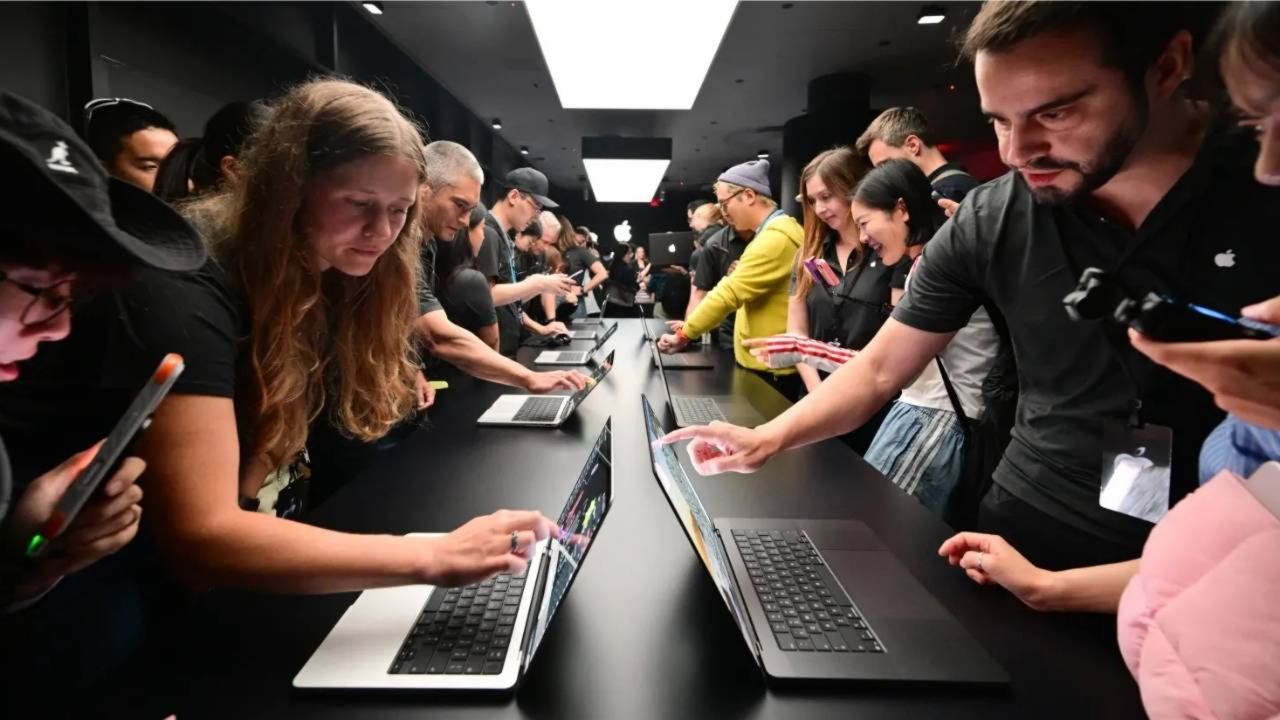
Apple is finally taking a hands-on approach with a feature it's spent decades keeping at arm's length.
You've made it this far...
Let's make our relationship official, no 💍 or elaborate proposal required. Learn and stay entertained, for free.👇
All of our news is 100% free and you can unsubscribe anytime; the quiz takes ~10 seconds to complete