Babies can practice active deception before their first birthday


Image: iStock
Turns out, children don’t wait until their teenage years to start bending the truth—or even their teenage months.
Babies can start practicing the art of deception before they have the ability to even walk or talk, according to a new study from the University of Bristol.
Tiny little liars
Researchers surveyed the parents of 750+ kids under the age of four from the US, Canada, UK, and Australia. They found deception is far from a rarity among babies under a year old, with the earliest reports of deception coming at eight months old.
- By 10 months, some 25% of parents say their kids were practicing some basic form of deceit, rising to 50% by the 17-month mark.
- Young kids started out with simple tricks like pretending not to hear their parents, breaking rules when no one is looking, and denying obvious wrongdoing (even with chocolate on their face).
By the age of three, most children become more proficient, creative, and frequent with their deception, the study found. This includes exaggerations like claiming to have eaten “all my peas” when they only had two bites, or selectively withholding information like saying a sibling hit them while omitting that they actually threw the first punch.
- Overall, researchers identified 16 different types of deception in kids.
- And once kids start such activity, they typically don’t stop: half of parents who said their child was a deceiver also reported them pulling something sneaky within the past day.
A cheat code for guardians: This research is particularly relevant for parents and educators, both to assure them that deception is normal in younger children and to help them learn what to expect at each age so they can stay one step ahead of their deceit, says study lead author Elena Hoicka, Professor of Education at the University of Bristol.
Share this!
Recent Science & Emerging Tech stories
Science & Emerging Tech
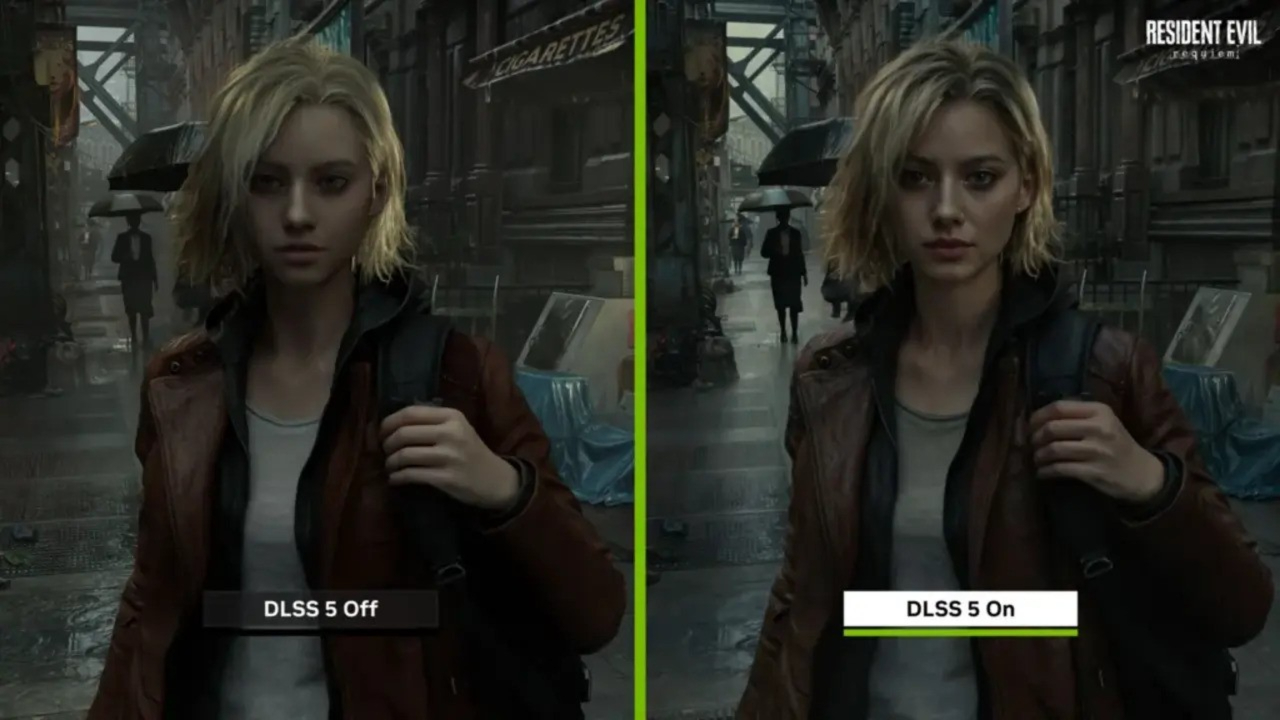
| March 19, 2026Nvidia debuts AI-powered gaming graphics to a critical audience
It’s no secret video game graphics have come a long way from squinting at pixelated Mario on a tiny Game Boy screen.

Science & Emerging Tech
| March 17, 2026Groundbreaking study revives activity in frozen brains
Freezing a brain usually ends the same way as a banana: structurally…not great.

Science & Emerging Tech
| March 10, 2026ADHD comes in three distinct types, new study suggests
Ever open 27+ browser tabs… and forget why you opened the first one to begin with?
You've made it this far...
Let's make our relationship official, no 💍 or elaborate proposal required. Learn and stay entertained, for free.👇
All of our news is 100% free and you can unsubscribe anytime; the quiz takes ~10 seconds to complete