Inside the rise of “pink cocaine”


Image: Illinois Recovery Center
The Barbiecore aesthetic of 2023 may have been all fun and flair, but the latest pink-related trend sweeping the nation is decidedly less fabulous.
A new designer drug called “pink cocaine” is increasingly turning up in nightclubs, hospital reports, and fatal overdose stats across the US.
Move over, blue meth
Pink cocaine, sometimes called 2C or tusi after the psychedelic drug 2C-B, first popped up in Latin America’s club scene in the early 2010s. Its popularity has grown across the US and Europe in recent years, thanks in part to the drug’s “Instagrammable” pink color fueling popularity on social media.
Despite the nickname, pink cocaine isn't actually cocaine. It’s a mishmash of substances like ketamine, MDMA, meth, and sometimes fentanyl, all dyed bubblegum-pink.
- Because the blend varies from batch to batch, so do the effects.
- Some users report feelings of euphoria or heightened senses, while others experience confusion, paranoia, or even psychosis.
Unlike its whiter counterpart, pink cocaine doesn't need to be smuggled as a finished product, since it’s more of an idea. Once the concept made its way to the US and Europe, local dealers could recreate it using whatever drugs they had access to.
Not-so-pretty in pink
Health officials across the US warn that pink cocaine can contain a dangerous combination of drugs that can adversely affect the heart, brain, and breathing.
- They also note that there’s no known antidote for pink cocaine, meaning all first responders can do in the case of an overdose is look after the patient while the drugs clear their system.
- The drug has been linked to several recent tragic incidents, including the death of One Direction's Liam Payne and a fatal car crash involving an Instagram model.
Looking ahead…US experts say pink cocaine has begun spreading beyond urban nightlife, with Louisiana officials recently linking the drug to multiple fatal overdoses in more rural areas.
Share this!
Recent U.S. stories

U.S.
| December 18, 2025Powerful new drug creates withdrawal crisis in Philly
Philadelphia, which represents ground zero for America’s ever-evolving drug crisis, is currently battling a new threat.
U.S.
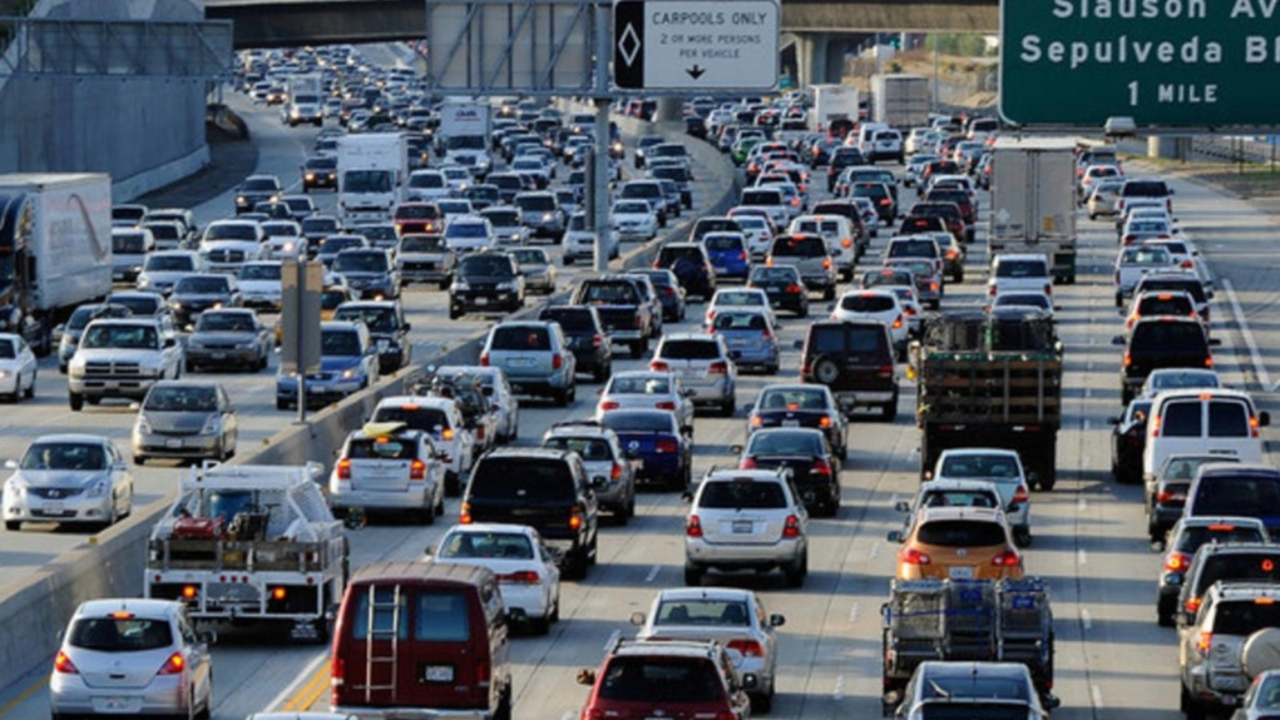
| December 11, 2025Across America, it’s gridlock o’clock
Traffic congestion hasn’t just come back following the Covid pandemic—it’s brought friends, snacks, and no intention of leaving, new data shows.

U.S.
| December 2, 2025America’s mobility rates reach new record-low
Packing your things up and hitting the road for greener pastures used to be a common rite of passage in America.
You've made it this far...
Let's make our relationship official, no 💍 or elaborate proposal required. Learn and stay entertained, for free.👇
All of our news is 100% free and you can unsubscribe anytime; the quiz takes ~10 seconds to complete