US-Iran peace talks fall short as naval blockade begins


Image: BBC
The US navy officially began blockading the Strait of Hormuz on Monday after peace talks with Iran failed to produce a deal.
The overall war is now in its seventh week, with the current two-week ceasefire between both sides now one week away from expiring on April 22.
Here’s what that means
The American blockade is targeting Iranian ports through the Strait of Hormuz, a narrow waterway through which ~20% of global oil supply travels. The overall objective is to restrict Iran’s ability to generate revenue via oil and force a return to negotiations.
The blockade stops short of a full closure, with US warships positioning themselves on either side and intercepting vessels suspected of carrying oil to or from Iranian ports.
Ships that comply can be inspected or redirected. Those that don’t risk being boarded by US forces, including special operations teams operating from nearby naval assets.
- The US has already deployed significant firepower to the region, including three aircraft carriers.
- US officials have also called on allies like Britain and Spain to support the blockade, but other countries have declined to participate so far.
The latest from the negotiating table
During the weekend talks, both sides remained far apart on how to handle Iran’s nuclear program. Iran proposed scaling back its nuclear activity for five years, while US negotiators pushed for at least a 20-year halt, according to multiple reports.
- The gap proved too large and negotiations broke down without a deal, leading to the current US blockade.
- Iran has threatened retaliation in response, warning that ports across the Persian Gulf could become targets for missile and drone strikes if its own oil exports are cut off.
Pakistan has indicated it’s willing to help facilitate another round of discussions, while Turkey’s foreign minister suggested a 45- to 60-day ceasefire extension to allow more time for negotiations.
Last night, President Trump told the NY Post that additional US-Iran peace talks “could be happening over next two days” in Pakistan’s capital of Islamabad.
Oil prices have remained volatile. After closing as low as $75/barrel on Trump’s ceasefire announcement last week, prices have now climbed back near $90/barrel on news of the US blockading the Strait of Hormuz. A trickle-down effect is also pushing up prices for airfare, food, and e-commerce.
Looking ahead…Trump this week suggested US gas prices at the pump could remain elevated potentially through November due to the ongoing conflict in the Middle East. And the IMF has warned the Iran war could slow global growth to levels usually associated with major economic downturns.
📊 Flash poll: As the Iran war approaches the 50-day mark: do you support or oppose America’s role in the ongoing Middle East conflict?
See a 360° view of what pundits are saying →


Sprinkles from the Left
- Some commentators argue that while the pros for a blockade are straightforward—put strong economic pressure on Iran without destroying its oil infrastructure with boots on the ground—the downsides include the unpredictable responses of the Iranians, which could include targeted terrorist attacks in the US homeland.
- Others contend that a deal between Iran and America—however imperfect—would leave the world better off than continued conflict, though the war risks shifting into more dangerous forms like naval confrontation, airstrikes, and proxy warfare with no obvious way out.
- “A Strait of Hormuz Blockade Could Backfire on the US” –James Stavridis, Bloomberg
- “Trump’s diplomacy falters as risk of war grows” –The Guardian Editorial Board
- “JD Vance may regret leading peace talks with Iran” –James Downie, MSNOW


Sprinkles from the Right
- Some commentators argue that the economic damage to Iran’s regime from the blockade is immediate, and the pain will grow the longer that it’s sustained. They also say Iran’s regime knows all this is a threat to its survival, and is hoping Trump won’t sustain the blockade beyond a week or two.
- Others contend that the brilliance of Trump’s plan to blockade the Strait of Hormuz is hard to overstate, as it accomplishes virtually the same thing as would a military operation to seize Kharg Island without the risks involved in deploying US ground forces—effectively shutting down Iran’s oil exports and cutting off its energy revenue.
- “Trump’s Blockade Is a Crisis for Iran” –WSJ Editorial Board
- “Trump flips the script in the Strait of Hormuz” –Marc. A Thiessen, WaPo
- “How Trump Can Wrap Up the War” –Bret Stephens, NY Times
Share this!
Recent Discussion stories
Discussion
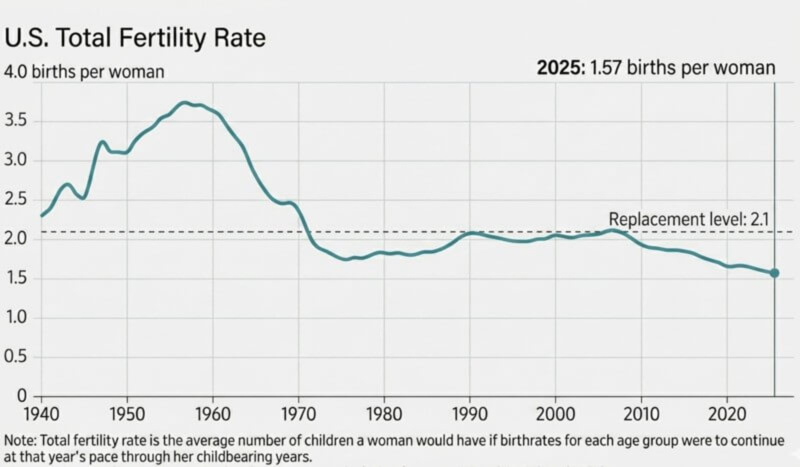
| April 13, 2026Americans continue to give birth at record-low rates
Fertility rates among women in the US fell again in 2025 to reach a new record low, according to federal data published last week.
Discussion
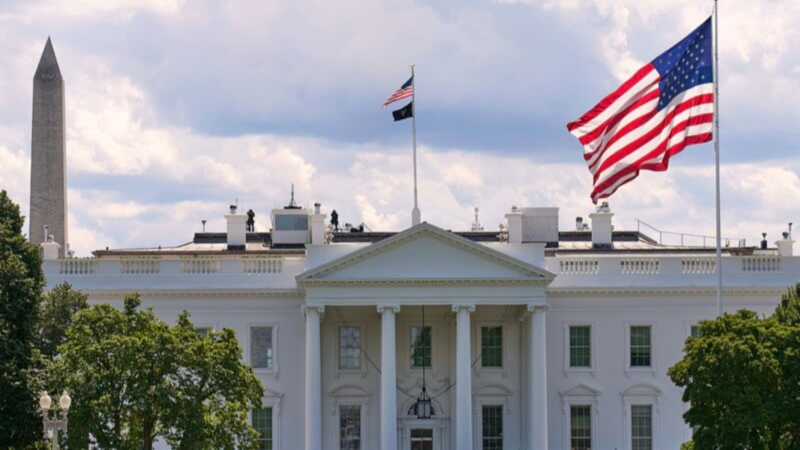
| April 10, 2026New White House budget puts defense front and center
Late last week, President Trump unveiled a proposed federal budget for 2027 that pairs a major increase in military spending with cuts to domestic programs, laying out how the White House looks to spend federal dollars in the coming years.
Discussion
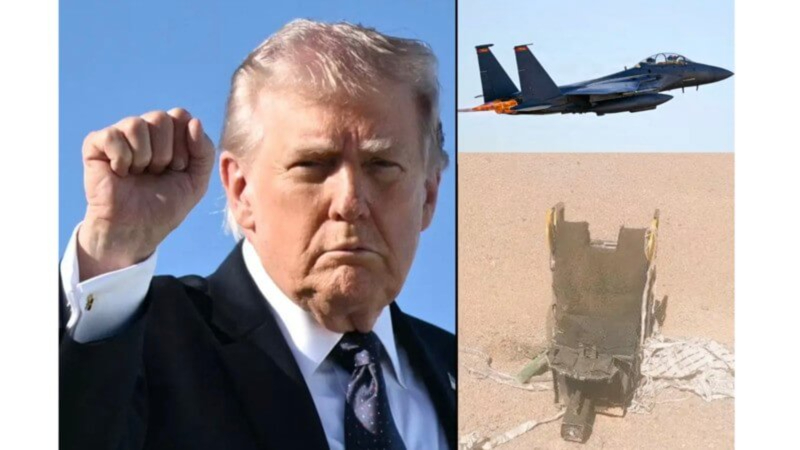
| April 8, 2026Trump announces ceasefire after escalating threats on Iran
President Trump announced a two-week ceasefire with Iran last night, roughly 90 minutes before his 8 pm ET deadline to open the Strait of Hormuz amid threats of destroying Iran’s entire “civilization.”
You've made it this far...
Let's make our relationship official, no 💍 or elaborate proposal required. Learn and stay entertained, for free.👇
All of our news is 100% free and you can unsubscribe anytime; the quiz takes ~10 seconds to complete