Violent crime continues to fall across major US cities


Image: Emily Elconin
Many of America’s largest cities are continuing to see a yearslong decline in violent crime through the first half of 2026, according to new data from the Major Cities Chiefs Association.
The data, collected from 66 large US cities, shows the four major categories of violent crime fell by a combined ~8.3% in January-June compared to the same period in 2025, amounting to ~14,200 fewer reported violent crimes.
- Crime declined across each individual category, including murders (-17.2%), robberies (-16.6%), rape offenses (-6.2%), and aggravated assaults (-5.7%).
The drop is particularly striking in cities that have struggled with high levels of violence in recent years.
- Washington, D.C., recorded 46 homicides in the first half of 2026, down 43.9% from the same period last year, while Memphis saw homicides fall 43.7% to 67.
- Houston recorded a 38.3% drop in homicides to 95, while Philadelphia saw a 27.2% decline to 83.
What’s behind the decline?
Pinning down exactly why crime is falling has proven difficult. Researchers point to a range of potential influences, including changes in criminal justice practices, technological advances, and broader societal and cultural shifts. But there doesn’t appear to be a consensus single explanation.
The violent crime decline is also unfolding across cities with different political leadership, economic conditions, policing/prosecution strategies, violence-reduction programs, and levels of federal involvement—making it difficult to credit any single policy or approach.
It’s a stark reversal from earlier this decade. The latest numbers extend a major reversal from the pandemic-era crime surge, when US homicides jumped nearly 30% in 2020, the largest one-year increase since the FBI began keeping records.
The think tank Council on Criminal Justice says the current decline began in the second half of 2022, with homicides across its study cities now 51% below their peak from that year.
Big picture: Other major datasets tell a similar story. Newly released FBI data shows overall violent crime fell 9.3% nationwide in 2025, while homicides dropped 18.1% to tie for the lowest rate since 1900.
📊 Flash poll: In your opinion, which option best describes the current state of violent crime in America?
See a 360° view of what pundits are saying →


Sprinkles from the Left
- Some commentators argue that progressive candidates are gaining ground by rebuilding the Democratic Party’s weakened grassroots organizing, focusing on voters’ concerns and developing relationships in communities, rather than relying primarily on fundraising, advertising and digital outreach.
- Others contend that moderate and progressive Democrats must put aside their ideological differences and unite behind the party’s nominees, arguing that continued attacks on progressive candidates could weaken Democrats in the midterms and undermine their ability to counter President Trump’s agenda.
- “Socialists Are Winning Because They Listen to People” –Tressie McMillan Cottom, NYT
- “Corporate Democrats Must Realize the Enemy Is Trump and the Fascists—Not Progressives” –Miles Mogulescu, Common Dreams
- “MAGA or the DSA? America deserves a better choice” –Abby McCloskey, Seattle Times


Sprinkles from the Right
- Some commentators argue that the Democratic Socialists of America promote an unrealistic vision of socialism that promises relief from work, bills, and other economic pressures while ignoring the practical and constitutional limits of implementing its sweeping political agenda.
- Others contend that the DSA is using its growing electoral success to push the Democratic Party toward a radical agenda, arguing that party leaders must reject the movement before it gains greater control and reshapes the party around policies that would fundamentally alter American government and institutions.
- “DSA socialism is Peter Pan politics for sandbox revolutionaries” –George F. Will, WaPo
- “Democrats have to shove socialists out of the party” –The Dallas Morning News Editorial Board
- “NYC’s DSA chapter may just be the whitest party in the entire city” –NY Post Editorial Board
Share this!
Recent Discussion stories
Discussion
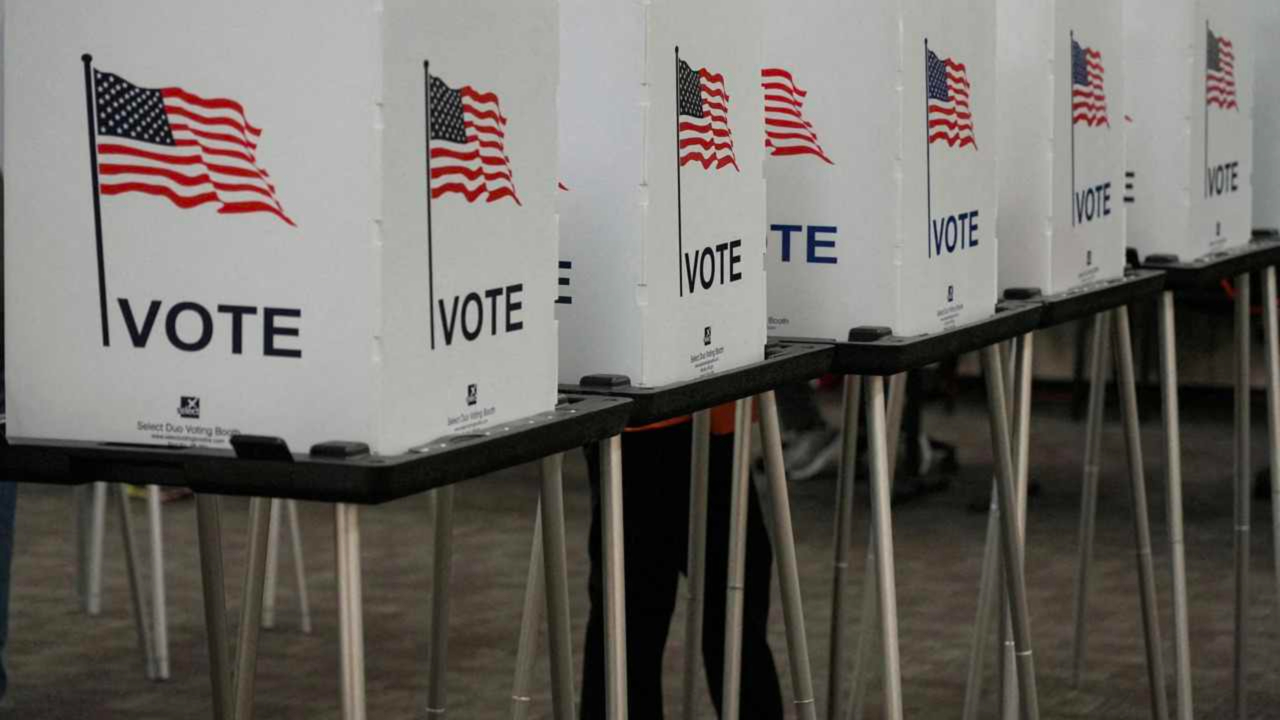
| August 14, 2026Democrats are still figuring out their midterm playbook
The ongoing primary season is sending mixed signals about which approach will prove most successful for Democratic party heading into November’s midterms, with Tuesday’s slate of elections producing different outcomes for progressive and moderate candidates.
Discussion
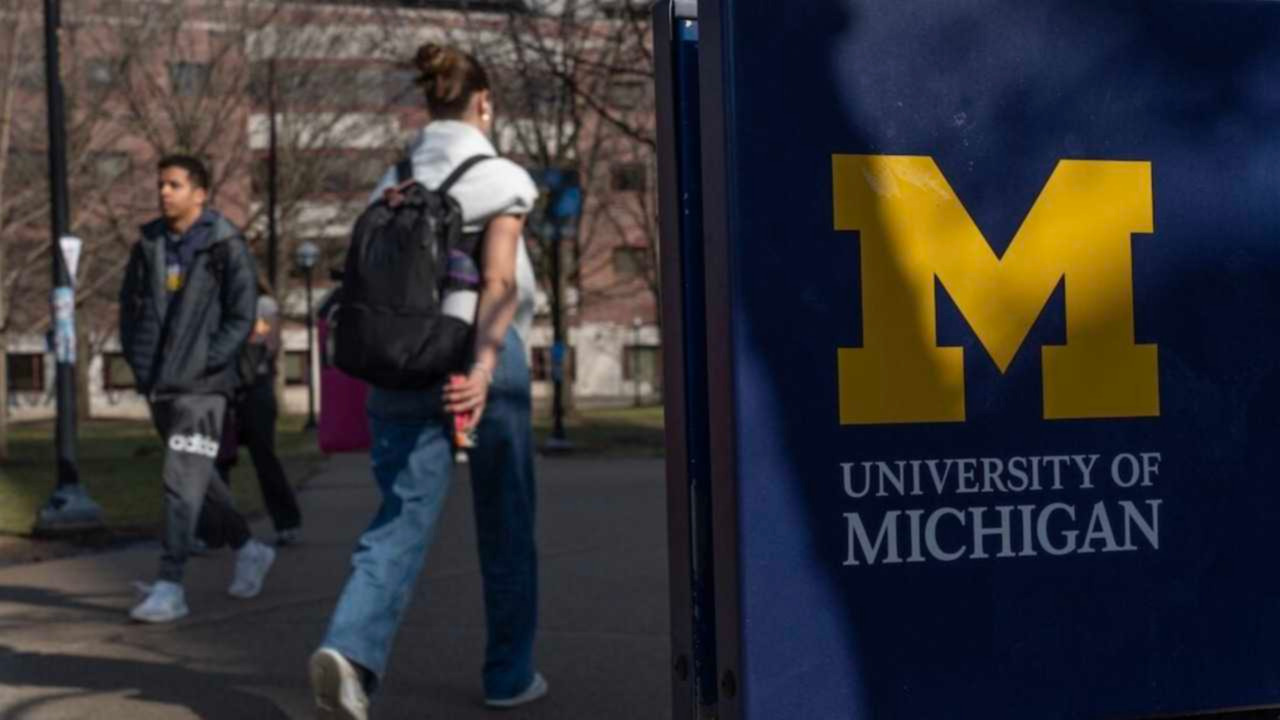
| August 12, 2026University of Michigan is reframing the freshman report card
Starting in fall 2027, all first-year students in Michigan’s College of LSA—which enrolls ~50% of the university’s ~8,000 incoming freshmen—will receive “pass” or “no credit” marks on their transcripts during their first semester, with their usual letter grades hidden.

Discussion
| August 10, 2026America’s EV market is entering a new era
For years, the road to owning an electric vehicle in the US came with plenty of financial help.
You've made it this far...
Let's make our relationship official, no 💍 or elaborate proposal required. Learn and stay entertained, for free.👇
All of our news is 100% free and you can unsubscribe anytime; the quiz takes ~10 seconds to complete