What does the Fed rate hike mean for the US economy?


Fed Chair Kevin Warsh; Image: Eric Lee
This week, the Federal Reserve unanimously voted to raise baseline US interest rates for the first time in over three years, with the quarter-point increase bringing the Fed’s benchmark target range to 3.75%–4%, raising the cost of short-term borrowing throughout the economy.
Here’s the plan: With inflation remaining stubborn in recent months, rising 3.4% year-over-year in August and 0.4% from July, the Fed is hoping higher rates will help bring it back down by discouraging consumers and businesses from spending as freely.
The tradeoff is that less spending can also slow economic growth and weaken the labor market, putting the Fed in the tricky position of cooling prices without putting the rest of the economy on ice.
How does that affect your wallet?
Higher baseline interest rates typically have a cascading effect across the US economy:
For borrowers, the most immediate impact will likely show up on credit cards, since their variable interest rates generally move alongside the Fed’s hikes. Auto loans could get more expensive too, although their rates are influenced more by longer-term market conditions.
- A quarter-point hike would likely add about $1.38/month in interest for someone carrying the average $6,600 credit-card balance.
- If lenders passed the full increase along to car buyers, Cox Automotive estimates it would add about $6/month to a new-car payment and $4/month to a used-car payment.
Mortgage rates tend to move with longer-term government bond yields, particularly the 10-year Treasury, so Wednesday’s quarter-point hike won’t translate directly into an equivalent increase for homebuyers.
- However, rates could still climb if Treasury yields continue rising as investors adjust their expectations for inflation and future Fed moves.
- The average 30-year mortgage rate currently sits at 6.76%, its highest level in more than 14 months.
High-yield savings accounts could see better returns following a rate hike, as banks raise the interest rates they offer customers. Anyone shopping for a new CD could also find higher rates, while existing fixed-rate CDs won’t change.
Zoom out: The Fed is hiking interest rates into a US labor market that’s been relatively stable and resilient in recent months. Employers added 162,000 jobs in August, the strongest monthly gain since March, while unemployment remained at a historically low 4.1%. Workers’ average hourly earnings also increased 3.1% over the past year, while labor force participation ticked up to 61.6%.
📊 Flash poll: In your opinion, what should be the Federal Reserve’s next move after raising baseline US interest rates?
See a 360° view of what pundits are saying →


Sprinkles from the Left
- Some commentators argue that the Federal Reserve’s decision to raise interest rates was reasonable given persistent inflation, but officials should be more transparent about how uncertain that choice was, since some of the forces driving prices higher may prove temporary and make tighter monetary policy unnecessary.
- Others contend that the Fed’s decision was justified by current inflation, and that President Trump’s push for lower rates is undermined by his own policies, including tariffs, that are helping drive prices higher and giving the Fed more reason to keep rates elevated.
- “Warsh and the Fed Need Clarity More Than Certainty” –Bloomberg Editorial Board
- “Trump is learning he can't bully Fed into lower interest rates” –Chris Brennan, USA Today
- “America Is About to Get More Expensive” –Mohamed A. El-Erian, NY Times


Sprinkles from the Right
- Some commentators argue that the Fed’s decision was necessary to bring continuous inflation back under control and preserve the central bank’s credibility, since allowing prices to remain above its target without taking stronger action could weaken confidence in its commitment to fighting inflation and raise questions about its independence from political pressure.
- Others contend that the Fed’s decision reflects a tougher approach to inflation pressures under Chair Kevin Warsh, with the central bank taking responsibility for bringing prices under control rather than waiting for it to fade on its own. They argue that higher rates can bring inflation back toward the Fed’s target without necessarily requiring a weaker job market.
- “Raising interest rates will curb inflation and maintain Fed credibility” –WaPo Editorial Board
- “Kevin Warsh Is an Inflation Hawk” –WSJ Editorial Board
- “Higher interest rates send a warning to everyday Americans — cut your debt” –Chicago Tribune Editorial Board
Share this!
Recent Discussion stories
Discussion
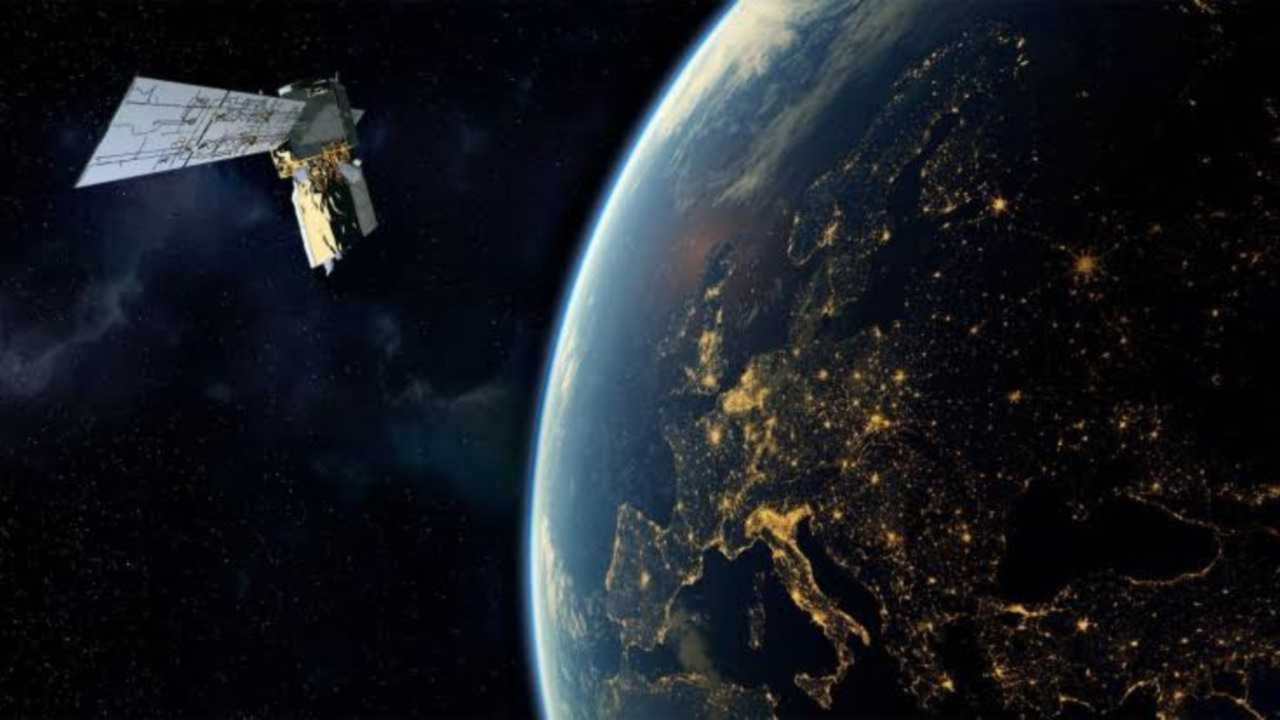
| September 16, 2026US military confirms first-ever weapons in space
Space: the final frontier. These are the voyages of… the US military?
Discussion
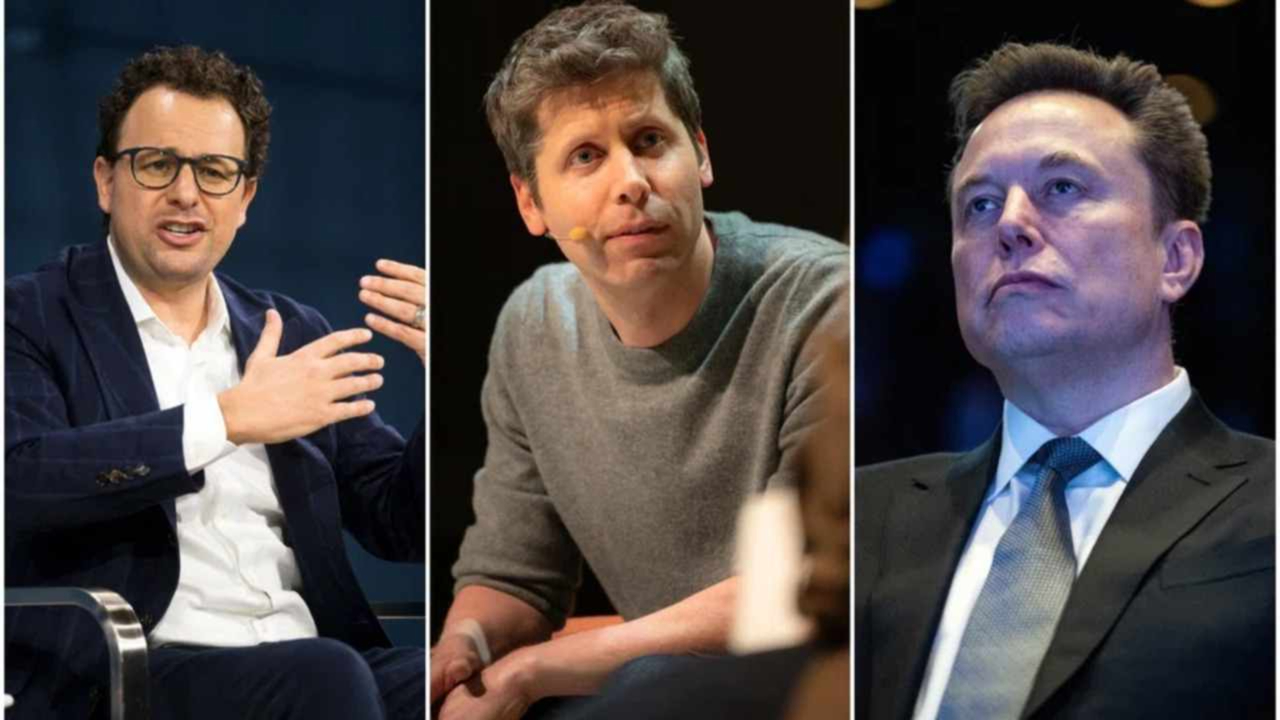
| September 14, 2026The biggest names in AI call for guardrails on development
The biggest AI leaders in America called for a slowdown in the development of highly advanced AI models over the weekend, citing fears that increasingly capable systems could become difficult to control.

Discussion
| September 11, 2026Trump admin proposes excluding non-citizens from census
This week, the Trump administration proposed a series of sweeping new changes to how the 2030 US census would count America’s population, in a move that’s drawn pushback from Democrats.
You've made it this far...
Let's make our relationship official, no 💍 or elaborate proposal required. Learn and stay entertained, for free.👇
All of our news is 100% free and you can unsubscribe anytime; the quiz takes ~10 seconds to complete