Americans are losing confidence in food safety


Image: The Hill
Americans are feeling a little uneasy about what's cooking in the nation's food supply.
Nearly half of Americans (~47%) are confident in the federal government's ability to ensure food safety, according to new Gallup polling published yesterday, marking the lowest level since the org began tracking the question in 1999. For comparison, that figure stood at 68% in 2019 and 85% in 2004.
- Just 65% of Americans are confident that food sold in grocery stores is safe, down from 73% last year.
- The latest results also mark the first time a majority of Americans (53%) have expressed little or no confidence in federal food safety oversight.
Baskets are looking a little empty
Gallup also found recent food recalls and government advisories have influenced Americans' shopping habits:
- 73% have avoided certain foods or brands following a recall or government advisory in the past year, up from 53% in 2024.
- 42% have worried that something they ate was contaminated, compared to 26% in 2024.
- 45% have returned or thrown away food because of a recall or advisory, up from 37% two years ago.
It comes alongside a major partisan shift. Confidence in federal food safety oversight has swung wildly based on political affiliation over the past two years. Some 70% of self-identified Republicans and 30% of Democrats express confidence today, compared with 50% of GOP voters and 74% of Dems in 2024.
A similar divide appears in the safety of food sold in grocery stores, with 77% of Republicans expressing confidence compared to 66% of Democrats and 60% of independents.
Driving the trend
Experts say several factors may be contributing to growing distrust, including concerns about federal staffing cuts and potentially lax oversight by regulators, along with a string of recent foodborne illness outbreaks.
- A Cyclospora outbreak linked to lettuce sickened 12,000+ people across 21 states, resulting in hundreds of hospitalizations and two deaths.
- A salmonella outbreak over the summer involving jalapeños affected nearly 500 people across 34 states, with 65 hospitalizations.
It’s not the first time something similar occurred. From 1999 to 2006, Americans’ confidence in the federal government to ensure food safety ranged from 76%–85%. But following a series of E. coli and salmonella outbreaks in 2007-08, public confidence fell to 71% and hasn’t recovered since.
📊 Flash poll: How confident are you that the food you buy at the grocery store is safe to eat?
See a 360° view of what pundits are saying →


Sprinkles from the Left
- Some commentators argue that recurring outbreaks linked to fresh produce reveal major gaps in food safety, as contaminated irrigation water and inadequate sanitation allow dangerous pathogens to reach consumers. They argue that preventing future outbreaks requires better testing, stronger food safety research, and faster detection of contaminated products, efforts made more difficult by federal cuts to public health funding and expertise.
- Others contend that weakening government safety regulations shifts the responsibility for protecting families onto parents, forcing them to spend more time and money navigating risks that public agencies are better equipped to manage. They argue that cuts to food safety oversight and other consumer protections create hidden costs for households, particularly mothers, who already shoulder much of the work of caring for their families.
- “This Is Why Our Fresh Produce Keeps Making Us Sick” –Timothy D. Lytton, NY Times
- “When the Government Outsources Safety, Families Pick up the Slack” –Corinne Low, Time
- “The FDA cannot inspect its way to a safe global food supply” –Brett Koonse, The Hill


Sprinkles from the Right
- Some commentators argue that recurring foodborne illness outbreaks show the limits of expanding federal oversight, since years of stricter regulations have failed to produce meaningful improvements in food safety. They argue that a smaller, more focused government could better target the most serious health risks while reducing costly regulations on food producers, who already have financial incentives to keep their products safe.
- Others contend that misleading food labels are preventing Americans from making informed choices, as products marked free from certain preservatives can still contain potentially harmful chemicals. They argue that the government should require clearer labeling and reconsider its rules on additives like nitrites to better protect consumers and restore public trust in the food supply.
- “A Lettuce Lesson in Big Government” –WSJ Editorial Board
- “MAHA making deliberately misleading food labels honest” –Savannah Chrisley, Washington Times
- MAHA isn’t about big government regulation. It’s a free market movement” –Jessica Moerman, Washington Examiner
Share this!
Recent Discussion stories

Discussion
| October 7, 2026The great tech debate: Is AI a conscious being?
The race to build more powerful AI systems is running into questions that computer science wasn’t built to answer.
Discussion
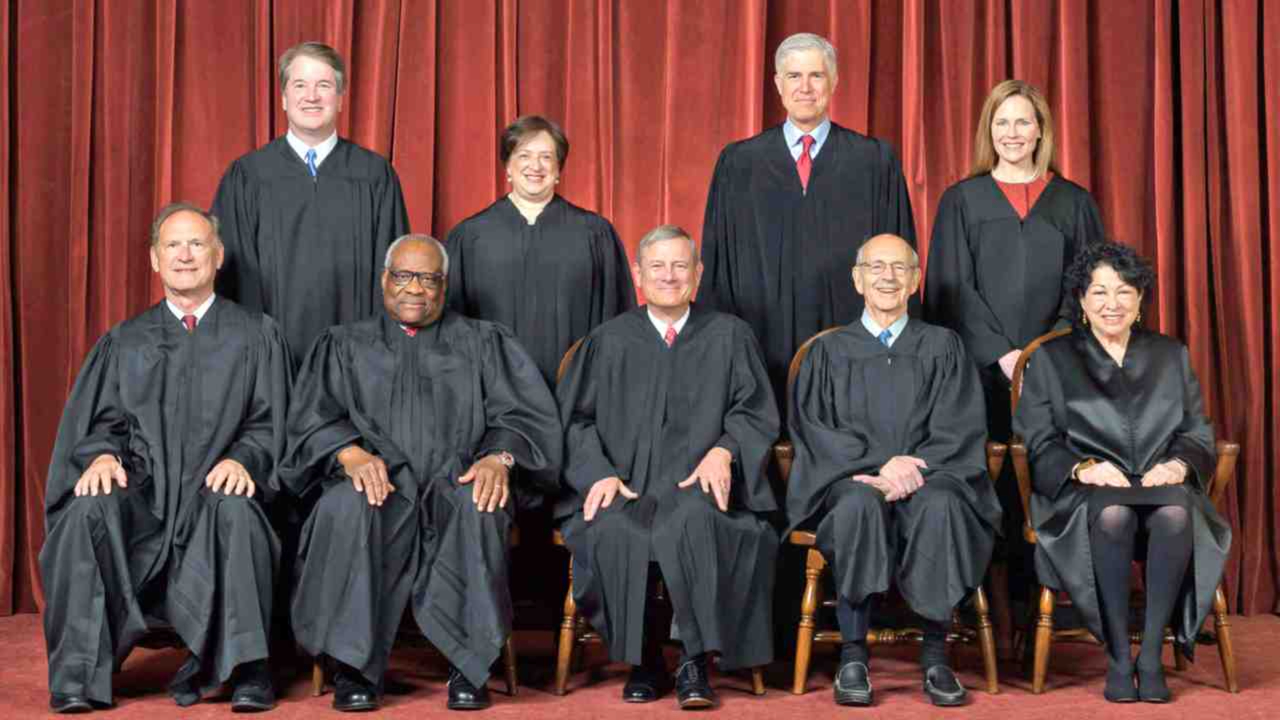
| October 5, 2026The Supreme Court is back in session
The 2026-2027 term of the Supreme Court officially begins today.
Discussion
| October 2, 2026Political spending picks up ahead of midterms
With Election Day just 32 days out, the midterms are now entering their final, increasingly expensive stretch.
You've made it this far...
Let's make our relationship official, no 💍 or elaborate proposal required. Learn and stay entertained, for free.👇
All of our news is 100% free and you can unsubscribe anytime; the quiz takes ~10 seconds to complete